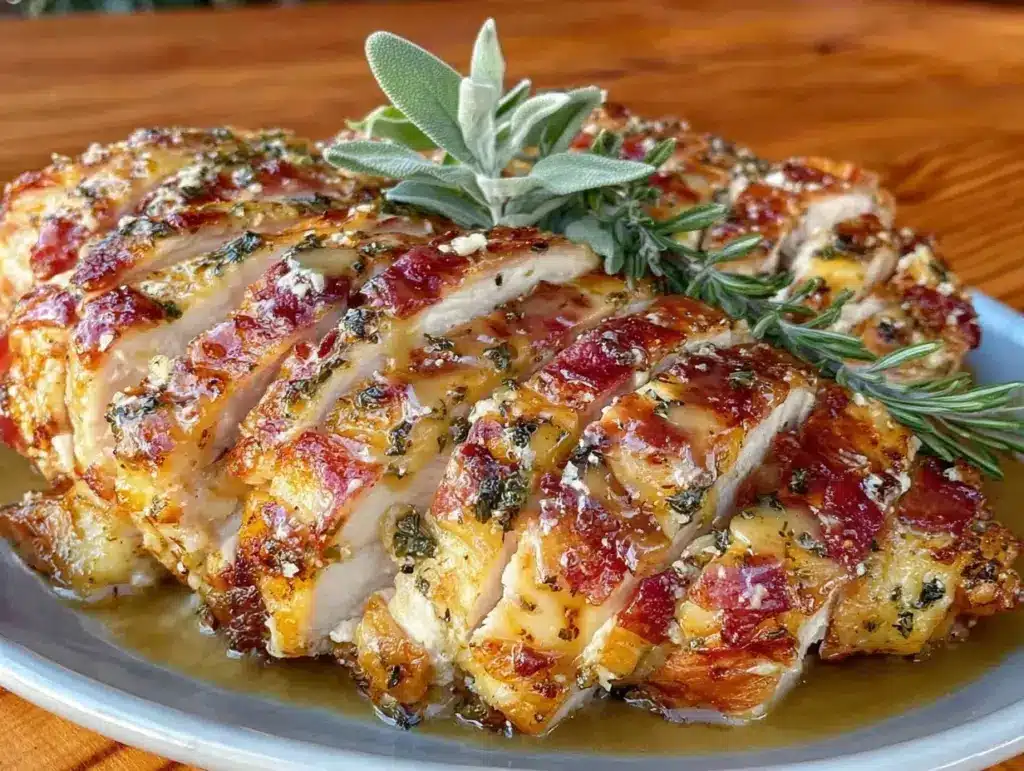
Let me paint you a picture: golden turkey skin sizzling under the oven light, the aroma of fresh sage and butter wafting through the house, and the promise of a perfectly roasted bird for your special gathering. Honestly, the first time I pulled a Roasted Sage Turkey out of my oven, the smell was so inviting that even my neighbor (who claims to be vegetarian on weekdays) popped in “just to say hi.” The crackle of the skin, the juicy tenderness inside, and that unmistakable earthy perfume from sage—this is the kind of meal that makes you pause, close your eyes, and grin because you know you’ve nailed it.
Years ago, when I was knee-high to a grasshopper, my grandmother would roast turkey every Thanksgiving. She used a pinch of sage “for luck,” she said, and I always wondered how something so simple could taste so deeply comforting. Fast forward to rainy autumn weekends, experimenting with leftover herbs and a stubborn turkey, and—after more than a few mishaps—I landed on this Roasted Sage Turkey recipe. It’s a version that delivers not only nostalgia, but also pure flavor, and dare I say, a bit of magic.
Family reactions? Let’s just say, the turkey never lasts until seconds. My kids fight over the crispy bits, my partner can’t stop dipping slices into the vegetable gravy, and even our dog circles the table with hope in her eyes. It’s become our go-to for holidays, potlucks, and those “let’s make a big meal just because” kind of Sundays. And if you’re searching for that perfect centerpiece for your holiday gathering—or just want a turkey that feels like a warm hug—you’re going to want to bookmark this one. I’ve tested this recipe more times than I care to admit (in the name of research, of course), and it’s now a staple for celebrations, gifting leftovers, and, yes, even Pinterest boards. You know what? Roasted Sage Turkey with Vegetable Gravy might just be the comfort food upgrade you’ve been waiting for.
Why You’ll Love This Recipe
If you’re anything like me, you want a turkey that’s juicy, flavorful, and doesn’t turn your kitchen into a circus. After years of trial and error (overcooked birds, bland gravies, you name it), I can safely say this Roasted Sage Turkey recipe is a game-changer. Here’s why it stands out—and why it’s become my never-fail holiday secret:
- Quick & Easy: With just a few simple steps and a hands-off roasting method, you’ll have a turkey that’s ready in about 3 hours—perfect for busy holiday schedules.
- Simple Ingredients: No last-minute grocery runs for obscure items. Sage, butter, fresh vegetables, and a good turkey—that’s all you need.
- Perfect for Gatherings: Whether it’s Thanksgiving, Christmas, or a Sunday dinner, this recipe creates a stunning centerpiece that feels impressive but is totally achievable.
- Crowd-Pleaser: From picky eaters to foodies, this turkey gets rave reviews every single time. Seriously, I’ve had relatives ask for leftovers before dinner even starts!
- Unbelievably Delicious: The combination of roasted sage, buttery skin, and a savory vegetable gravy is comfort food at its best—rich, aromatic, and deeply satisfying.
What makes this Roasted Sage Turkey recipe different? Well, I blend softened butter with freshly chopped sage and massage it under the skin—this little trick keeps the meat moist and infuses every bite with flavor. The homemade vegetable gravy uses roasted carrots, onions, and celery for a naturally sweet depth (no bouillon cubes here!). And if you’re worried about dry turkey, this method practically guarantees juicy results. It’s not just another roasted turkey—it’s the one you’ll come back to year after year.
This recipe is special to me because it’s the kind that makes you close your eyes after the first bite—pure comfort, simple joy. It’s perfect for impressing guests without the stress, and it transforms a basic holiday meal into something truly memorable. If you’re ready for a turkey that’s both easy and extraordinary, you’ve come to the right place.
What Ingredients You Will Need
This Roasted Sage Turkey recipe sticks to simple, wholesome ingredients—delivering bold flavor and satisfying texture without any fuss. Most are pantry staples, and you’ll appreciate how easy it is to swap or adapt for dietary needs or seasonal availability. Here’s what you’ll need:
- For the Turkey:
- 1 whole turkey (12-14 lbs / 5.5-6.5 kg), thawed if frozen
- 1/2 cup (1 stick, 115g) unsalted butter, softened
- 2 tablespoons fresh sage leaves, finely chopped (or 1 tablespoon dried sage)
- 1 tablespoon fresh thyme leaves (optional, adds extra depth)
- 2 teaspoons kosher salt (plus more for seasoning cavity)
- 1 teaspoon freshly ground black pepper
- 1 whole lemon, quartered (for stuffing cavity)
- 1 head garlic, halved horizontally
- 1 large onion, quartered
- 2 celery stalks, cut into large pieces
- 2 carrots, cut into large pieces
- For the Vegetable Gravy:
- Pan drippings from roasted turkey (all those lovely juices!)
- 2 cups (480ml) low-sodium chicken or turkey broth (homemade preferred, but store-bought works fine)
- 1/4 cup (30g) all-purpose flour (substitute gluten-free flour if needed)
- 1 tablespoon unsalted butter
- Salt and pepper, to taste
- Optional: 1/2 cup (120ml) dry white wine (adds brightness to the gravy)
I usually go with organic turkey for best taste and texture, but honestly, any good-quality bird will do. For sage, fresh is best, but dried works in a pinch (just use half the amount). If you don’t have thyme, skip it—it’s just a bonus. For gluten-free folks, swap the flour for a 1:1 gluten-free blend. And if you’re feeling adventurous, toss in a handful of fresh parsley or rosemary for more herbaceous flavor.
Vegetables in the roasting pan serve a dual purpose: they flavor the turkey and form the base of a rich, homemade gravy. Don’t skimp on them! For broth, I like Kitchen Basics or homemade stock—anything with a clean, savory flavor. And if you’re dairy-free, use olive oil instead of butter for rubbing under the skin. This recipe is all about flexibility—so use what you have and don’t sweat the small stuff.
Equipment Needed
- Roasting Pan: A sturdy pan with a rack (if you have one). If not, just layer veggies under the turkey.
- Meat Thermometer: Essential for perfectly cooked turkey. I’ve used both digital and analog—digital is quicker, but analog works fine too.
- Basting Brush: For applying the butter mixture under the skin and on top. You can use the back of a spoon if you don’t have one.
- Sharp Chef’s Knife: For chopping herbs and prepping veggies.
- Cutting Board: Preferably large enough for the turkey.
- Kitchen Twine: For tying the legs—optional, but helps keep shape.
- Mixing Bowls: For combining butter and herbs.
- Fine Mesh Strainer: For smooth gravy (if you like it silky).
- Large Spoon or Ladle: For basting and serving gravy.
- Aluminum Foil: For tenting turkey if it browns too quickly.
If you don’t own a roasting rack, don’t worry—just pile up the carrots, celery, and onion to keep the turkey off the bottom of the pan (this actually adds flavor!). Budget tip: I’ve used disposable foil pans for big parties, and they work fine, just double them up for stability. For maintenance, keep knives sharp and clean your thermometer well after use—trust me, it makes a difference.
Preparation Method
- Prep the Turkey: Remove giblets and neck from the turkey cavity. Pat the turkey dry with paper towels (don’t skip this—dry skin means crispier roast!). Let it sit at room temperature for 30-45 minutes before roasting.
- Make the Sage Butter: In a small bowl, mix 1/2 cup (115g) softened butter with 2 tablespoons fresh chopped sage, 1 tablespoon thyme (if using), 2 teaspoons kosher salt, and 1 teaspoon black pepper. (I sometimes add a zest of lemon for extra zing.)
- Butter Under the Skin: Gently loosen the turkey skin over the breast and thighs with your fingers. Carefully rub half the sage butter under the skin, massaging it into the meat. Spread the remaining butter all over the outside of the turkey. (Messy hands here, but totally worth it.)
- Stuff the Cavity: Place lemon quarters, garlic halves, onion quarters, and a sprig of sage or thyme inside the cavity. Sprinkle a little salt inside as well. (Don’t overfill; you want air to circulate.)
- Arrange in Roasting Pan: Scatter carrots, celery, and any extra onion around the bottom of your roasting pan. Place the turkey breast-side up on top of the veggies. Tuck the wings under if you can.
- Tie the Legs (Optional): Using kitchen twine, tie the legs together loosely. This helps the turkey roast evenly.
- Roast: Preheat oven to 325°F (160°C). Roast turkey uncovered for about 13-15 minutes per pound (about 2.5 to 3.5 hours for a 12-14 lb bird), until the thickest part of the thigh registers 165°F (74°C) on a meat thermometer. (If skin browns too quickly, tent loosely with foil.)
- Baste: Every 45 minutes, spoon pan juices over the turkey. This keeps it moist and flavorful.
- Rest: When done, remove turkey from oven and let it rest, loosely tented with foil, for 30-40 minutes. This allows juices to redistribute—don’t rush this step! The skin may soften a bit, but the meat will be juicier.
- Make Vegetable Gravy: While turkey rests, strain pan drippings into a saucepan, discarding solids. Melt 1 tablespoon butter in the pan, whisk in 1/4 cup (30g) flour, and cook for 1-2 minutes. Slowly whisk in pan juices and 2 cups (480ml) broth (plus wine, if using). Simmer until thickened, 8-10 minutes. Season with salt and pepper to taste.
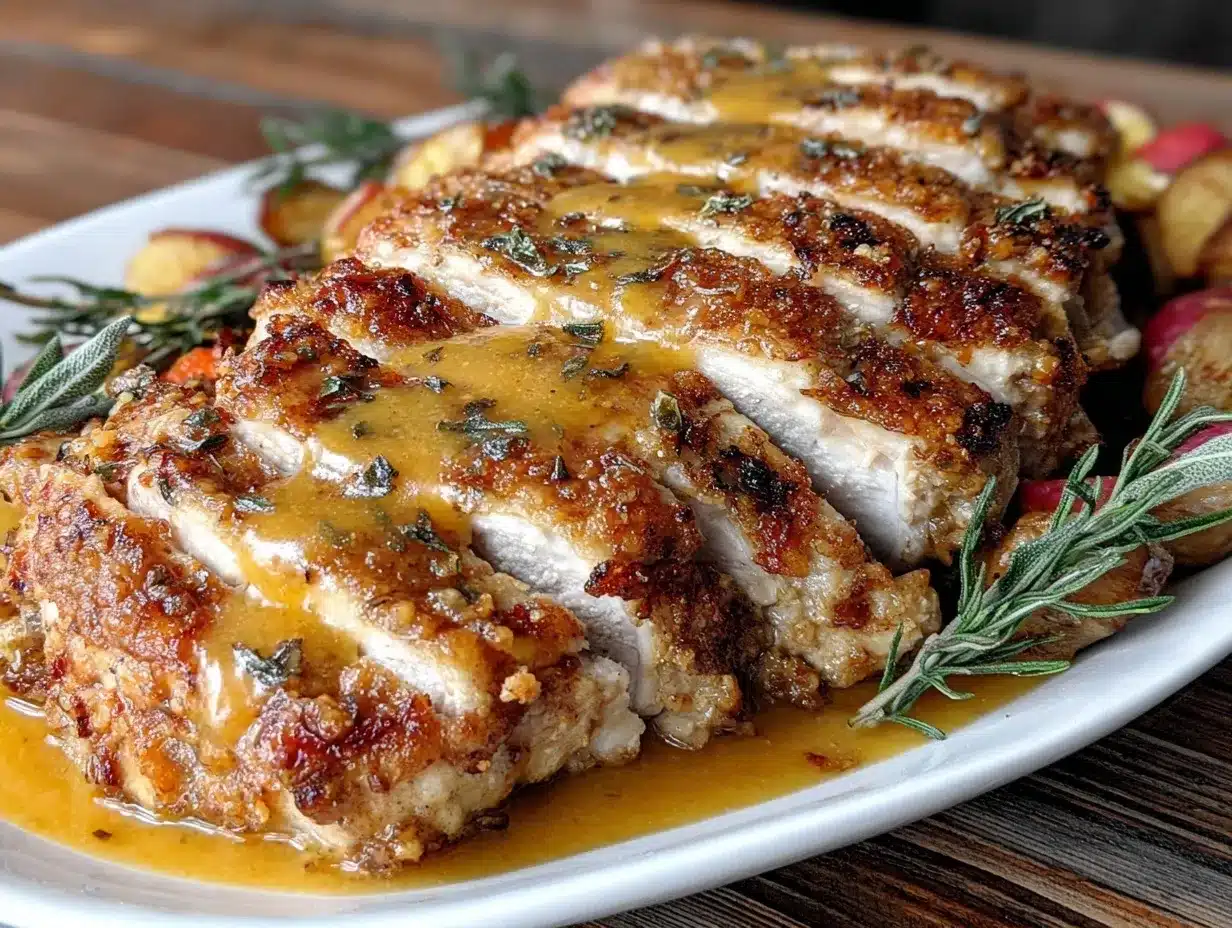
- Carve and Serve: Slice turkey, arrange on a platter, and drizzle with vegetable gravy. Garnish with extra sage leaves if you want to get fancy!
Preparation Notes: If turkey isn’t browning, increase oven to 375°F (190°C) for the last 30 minutes. If meat thermometer reads under 165°F (74°C), return to oven and check every 10 minutes. If gravy is too thick, add more broth. If too thin, simmer longer. Sensory cues: skin should be deep golden brown, juices should run clear, and gravy should smell rich and savory. Efficiency tip: prep the butter and veggies while turkey comes to room temp—it’ll save you time!
Cooking Tips & Techniques
After plenty of holiday turkey fails (dry meat, soggy skin—you name it), I’ve picked up some tricks for roasting turkey to perfection. Here’s what you need to know:
- Start with Room Temperature Turkey: Letting the turkey sit out for 30-45 minutes helps it cook evenly. If it’s too cold, the breast can dry out before the thighs are done.
- Butter Under the Skin: This isn’t just for flavor—it keeps the breast moist. Gently separate the skin without tearing. If you’re nervous, use a spoon instead of your fingers.
- Baste Sparingly: I used to baste every 15 minutes, but honestly, every 45 minutes is all you need. Too much basting lets heat escape and slows down cooking.
- Check Early: Ovens vary! Start checking the turkey’s temperature 30 minutes before you expect it to be done. The thickest part of the thigh, not touching bone, should hit 165°F (74°C).
- Rest Before Carving: I learned this the hard way—carving too soon means dry turkey. Resting lets juices redistribute. Cover loosely with foil, don’t wrap tightly.
- Gravy Consistency: If gravy is lumpy, strain it. If it’s bland, add a splash of wine or fresh herbs. If too salty, stir in unsalted broth or a splash of cream.
- Timing and Multitasking: While your turkey roasts, prep sides and desserts. I always make the gravy while the turkey rests—it saves time and uses the hot drippings.
- Common Mistakes: Overstuffing the cavity prevents even cooking, and skipping the resting period leads to dry meat. Trust me, patience pays off!
Consistency tip: Use a meat thermometer, and don’t rely on the pop-up plastic timers—they’re rarely accurate. And if your oven runs hot, reduce the temperature slightly to avoid burning the skin. These little tweaks make all the difference.
Variations & Adaptations
This Roasted Sage Turkey recipe is flexible—here are some tasty twists and adaptations to fit your table (or dietary needs):
- Herb Butter Variations: Swap sage for rosemary and thyme, or add chopped parsley for a fresh finish. For a citrus touch, mix orange zest into the butter.
- Low-Carb & Gluten-Free: Use almond flour or a 1:1 gluten-free flour blend for the gravy. Skip the carrots if you’re watching carbs, or swap for parsnips or turnips.
- Vegetarian Gravy: For veggie guests, make the gravy with vegetable broth and roasted mushrooms instead of pan drippings. It’s surprisingly rich!
- Seasonal Additions: In winter, add diced apple or pear to the roasting pan for a hint of sweetness. In spring, toss in asparagus or leeks.
- Flavor Customization: Like a smoky note? Rub the turkey with smoked paprika. For spicy lovers, add a pinch of cayenne to the butter.
- Allergen Substitutions: Dairy-free? Use olive oil or vegan butter instead of regular butter. Allergic to celery? Use fennel or extra onion.
My personal favorite: swapping half the sage for rosemary and adding orange zest to the butter—gives the turkey a bright, festive twist. Feel free to mix and match based on what’s in your fridge or garden. That’s the beauty of a holiday recipe—it should fit your family, not the other way around!
Serving & Storage Suggestions
For serving, slice the Roasted Sage Turkey and arrange it on a large platter with fresh sage sprigs. Serve piping hot, drizzled with vegetable gravy. For an extra festive touch, surround with roasted carrots and potatoes. Pair with sides like creamy mashed potatoes, cranberry sauce, and a crisp salad (I love arugula with lemon vinaigrette).
If you’re hosting brunch, serve leftover turkey in sandwiches or wraps with a spoonful of gravy. For beverages, dry white wine or sparkling cider works beautifully (and don’t forget the water pitchers!).
To store, cool turkey completely before refrigerating. Place slices in airtight containers—keeps for up to 4 days. Gravy lasts 3-4 days in the fridge, or freeze for up to 2 months. For freezing turkey, wrap tightly in foil or freezer bags. To reheat, cover with broth and warm gently at 325°F (160°C), or microwave in 1-minute bursts (don’t overheat or it’ll dry out).
Honestly, the flavors deepen overnight, so leftovers are even better the next day. I’ve made turkey pot pie and soup with leftovers—nothing goes to waste.
Nutritional Information & Benefits
Here’s a quick look at the nutritional breakdown (per serving, based on a 12 lb turkey feeding 12):
- Calories: ~320
- Protein: ~37g
- Fat: ~16g (mostly from skin and butter)
- Carbs: ~6g (mostly from vegetables and gravy flour)
- Sodium: ~480mg
Turkey is a lean protein—great for muscle repair and energy. Sage offers antioxidants and anti-inflammatory benefits, while carrots, celery, and onions provide vitamins and fiber. This recipe can be made gluten-free and dairy-free with simple swaps. Allergens to watch: dairy (butter), gluten (flour), celery. If you’re managing sodium, use unsalted broth and butter.
From a wellness angle, this turkey is satisfying but not overly heavy—so you can enjoy your holiday meal and still feel good the next day. I love knowing it’s a meal that brings comfort and nourishment in equal measure.
Conclusion
So—why should you try this Roasted Sage Turkey with Vegetable Gravy? Because it’s the kind of recipe that delivers big on flavor, nostalgia, and ease all at once. It’s simple enough for turkey beginners, but impressive enough to anchor any holiday gathering. The buttery sage rub, the aromatic veggies, the rich gravy—they all come together for a meal that’s truly special.
Don’t be afraid to tweak the herbs or add your own spin. Cooking should be joyful, not stressful! Personally, I love how this recipe brings my family together, and how it’s become a tradition we look forward to every year.
Ready to give it a whirl? Drop your comments below, share your tweaks, or tag me with your holiday turkey photos. Wishing you a table full of laughter, warmth, and (of course) the perfect Roasted Sage Turkey. Happy cooking!
FAQs
How do I keep my Roasted Sage Turkey from drying out?
Butter under the skin and not overcooking are key. Always use a meat thermometer and let the turkey rest before carving—it really does keep it juicy!
Can I make the vegetable gravy ahead of time?
Absolutely! Prepare the gravy up to 2 days ahead and store in the fridge. Just reheat gently and whisk before serving.
What herbs work best if I don’t have fresh sage?
Dried sage works fine—just use half the amount. Rosemary, thyme, or parsley are also great substitutes. Mix and match for your favorite flavor.
What’s the best way to thaw a frozen turkey?
Thaw in the refrigerator, allowing 24 hours for every 4-5 lbs (2 kg). Never thaw at room temperature—it’s not safe.
Can I roast the turkey without a rack?
Yes! Layer carrots, celery, and onions in the bottom of the pan. They’ll keep the turkey off the base and add flavor for the gravy.
Pin This Recipe!
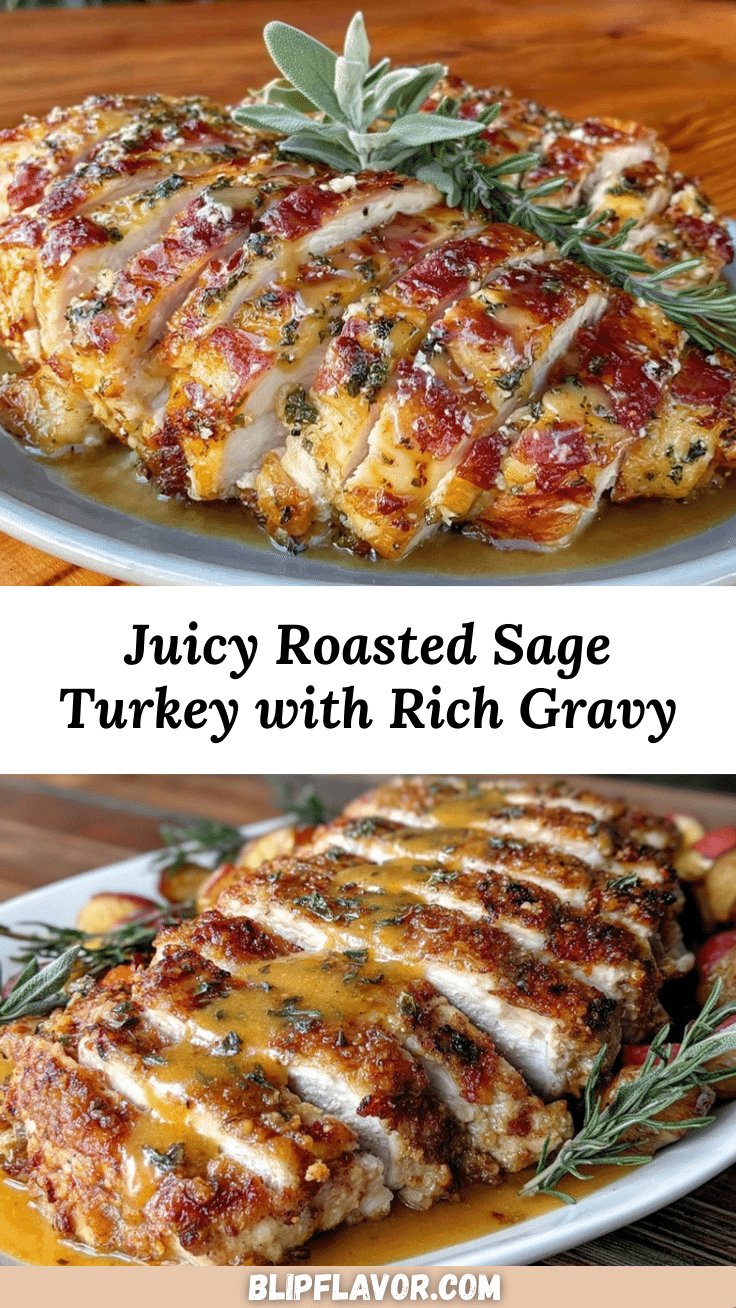
Roasted Sage Turkey with Easy Vegetable Gravy

This Roasted Sage Turkey recipe features a buttery sage rub and a savory vegetable gravy, creating a juicy, flavorful centerpiece for any holiday gathering. Simple ingredients and hands-off roasting make it perfect for both beginners and seasoned cooks.
- Prep Time: 30 minutes
- Cook Time: 3 hours
- Total Time: 3 hours 30 minutes
- Yield: 12 servings 1x
- Category: Main Course
- Cuisine: American
Ingredients
- 1 whole turkey (12–14 lbs), thawed if frozen
- 1/2 cup unsalted butter, softened
- 2 tablespoons fresh sage leaves, finely chopped (or 1 tablespoon dried sage)
- 1 tablespoon fresh thyme leaves (optional)
- 2 teaspoons kosher salt (plus more for seasoning cavity)
- 1 teaspoon freshly ground black pepper
- 1 whole lemon, quartered
- 1 head garlic, halved horizontally
- 1 large onion, quartered
- 2 celery stalks, cut into large pieces
- 2 carrots, cut into large pieces
- Pan drippings from roasted turkey
- 2 cups low-sodium chicken or turkey broth
- 1/4 cup all-purpose flour (substitute gluten-free flour if needed)
- 1 tablespoon unsalted butter
- Salt and pepper, to taste
- Optional: 1/2 cup dry white wine
Instructions
- Remove giblets and neck from the turkey cavity. Pat the turkey dry with paper towels and let it sit at room temperature for 30-45 minutes.
- In a small bowl, mix softened butter with chopped sage, thyme (if using), kosher salt, and black pepper.
- Gently loosen the turkey skin over the breast and thighs. Rub half the sage butter under the skin and spread the remaining butter over the outside of the turkey.
- Stuff the cavity with lemon quarters, garlic halves, onion quarters, and a sprig of sage or thyme. Sprinkle a little salt inside.
- Scatter carrots, celery, and any extra onion around the bottom of the roasting pan. Place the turkey breast-side up on top of the veggies. Tuck the wings under.
- Tie the legs together loosely with kitchen twine (optional).
- Preheat oven to 325°F (160°C). Roast turkey uncovered for about 13-15 minutes per pound (2.5 to 3.5 hours for a 12-14 lb bird), until the thickest part of the thigh registers 165°F (74°C). Tent with foil if skin browns too quickly.
- Every 45 minutes, spoon pan juices over the turkey.
- When done, remove turkey from oven and let it rest, loosely tented with foil, for 30-40 minutes.
- While turkey rests, strain pan drippings into a saucepan. Melt butter, whisk in flour, and cook for 1-2 minutes. Slowly whisk in pan juices and broth (plus wine, if using). Simmer until thickened, 8-10 minutes. Season with salt and pepper.
- Slice turkey, arrange on a platter, and drizzle with vegetable gravy. Garnish with extra sage leaves if desired.
Notes
Let turkey come to room temperature before roasting for even cooking. Butter under the skin keeps the breast moist. Tent with foil if browning too quickly. Rest turkey before carving for juicier meat. For gluten-free gravy, use a 1:1 gluten-free flour blend. Gravy can be made ahead and reheated. Use a meat thermometer for best results.
Nutrition
- Serving Size: 1/12th of a 12-14 lb
- Calories: 320
- Sugar: 2
- Sodium: 480
- Fat: 16
- Saturated Fat: 7
- Carbohydrates: 6
- Fiber: 1
- Protein: 37
Keywords: turkey, roasted turkey, sage turkey, holiday turkey, Thanksgiving, Christmas, vegetable gravy, easy turkey recipe, comfort food, gluten-free option