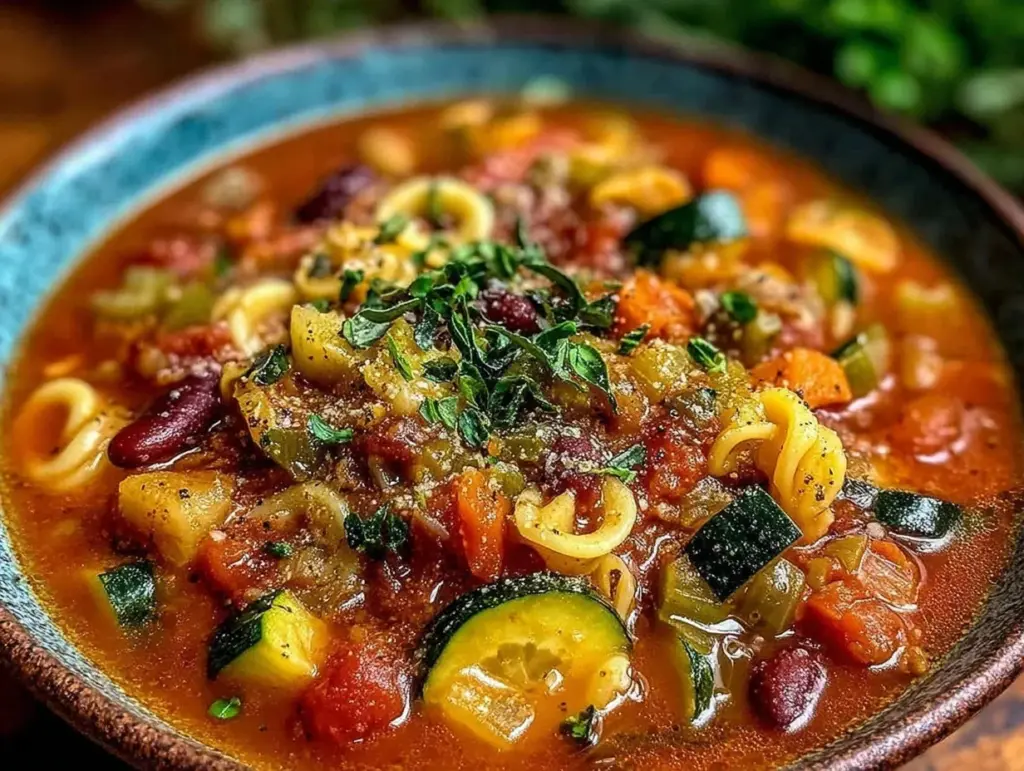
There’s something magical about the way a pot of minestrone soup bubbles away on the stove, filling the kitchen with the savory scent of garlic, tomatoes, and fresh herbs. Honestly, the aroma alone makes you want to curl up under a blanket—even before you’ve tasted that first spoonful. The first time I made this wholesome veggie-loaded minestrone soup, it was a chilly fall evening when the wind sounded like it might just rattle the windows loose. I remember ladling out a big bowl, steam rising up and fogging my glasses, and taking that first bite—the kind of moment where you pause, take a deep breath, and just smile because you know you’re onto something truly special.
Years ago, when I was knee-high to a grasshopper, my grandma used to make her “clean out the fridge” soup at the end of every week. She’d toss in whatever veggies she had on hand, a can of beans, maybe a handful of pasta, and somehow it always tasted like pure, nostalgic comfort. I tried to capture that feeling with this minestrone soup recipe—a cozy, veggie-packed dinner that’s easy enough for a busy weeknight, but special enough for Sunday supper. You know what? I wish I’d discovered the joy of making my own minestrone years ago, instead of relying on canned versions that just don’t have the same soul.
My family can’t resist sneaking tastes straight from the pot (I’ve caught my husband with a ladle more than once), and my kids actually cheer when they see a big batch simmering away. It’s become a staple for family gatherings, sharing with neighbors, and honestly, just surviving those cold, gray evenings when you need food that feels like a warm hug. Whether you’re looking to brighten up your Pinterest soup board, sneak more veggies into your diet, or simply craving something hearty and wholesome, this minestrone soup recipe checks all the boxes. I’ve tested it more times than I can count—in the name of research, of course—and every time it delivers that cozy, comforting feeling you crave. Bookmark this one, because you’re going to want it handy for those nights when only a steaming bowl of veggie goodness will do.
Why You’ll Love This Wholesome Veggie-Loaded Minestrone Soup
Let’s face it: not all minestrone soup recipes are created equal. After making this version more times than I care to admit (and fiddling with every possible veggie combo), I can say without hesitation that this soup has earned a permanent spot in my dinner rotation. Here’s why you’ll love it as much as I do:
- Quick & Easy: Comes together in just about 45 minutes, with only 15 minutes of active prep. Perfect for those nights when you’re tired but still want something homemade.
- Simple Ingredients: Nothing fancy required—just pantry staples and whatever veggies you’ve got hanging out in your fridge. No last-minute grocery runs, promise!
- Perfect for Cozy Nights: This minestrone soup is a warm, filling dinner that’s made for chilly evenings, movie nights, or when you’ve got friends coming over unexpectedly.
- Crowd-Pleaser: Kids gobble it up (even the spinach and zucchini!), and adults love the rich tomato broth and hearty beans. I’ve served it to picky eaters, and they always ask for seconds.
- Unbelievably Delicious: The blend of fresh veggies, herbs, and just the right amount of pasta makes every bite taste like a big, comforting hug.
What sets this minestrone soup recipe apart? For starters, I use a mix of both fresh and canned vegetables—so you get vibrant flavors and convenience. A little trick I picked up: sautéing the tomato paste with the veggies adds a deeper, almost roasted flavor to the broth. And let’s talk about the beans—using both kidney and cannellini beans gives a creamy, hearty texture that’s just right. Whether you’re tossing in kale, spinach, or even a handful of green beans, you can make this soup work for whatever’s in season.
But the real reason I love this minestrone soup? It’s the kind of meal that makes you close your eyes and sigh after that first bite. It’s cozy, filling, and feels like a mini celebration in a bowl. I love how it turns a fridge full of odds and ends into a memorable dinner—no stress, no complicated steps. It’s my go-to for impressing guests without breaking a sweat, and it’s saved many a weeknight when I just needed something wholesome and nourishing. Trust me, once you try it, you’ll understand why it’s not just a soup—it’s a little bit of comfort, one spoonful at a time.
What Ingredients You Will Need
This minestrone soup recipe is proof that you don’t need anything fancy to get a big payoff in flavor and texture. Most of these ingredients are pantry staples, and you can easily mix and match based on what’s in your fridge or what’s in season. Here’s what you’ll need to make a big, veggie-loaded pot of cozy goodness:
- For the Base:
- Olive oil (2 tablespoons / 30 ml) – for sautéing, adds richness and depth
- Yellow onion (1 medium, diced) – the backbone of the soup’s flavor
- Carrots (2 medium, peeled and diced) – for a touch of sweetness
- Celery (2 stalks, diced) – adds savory undertones
- Garlic (3 cloves, minced) – because every soup needs garlic, right?
- Tomato paste (2 tablespoons / 30 g) – intensifies the tomato flavor
- Canned & Fresh Veggies:
- Diced tomatoes (1 can, 14.5 oz / 410 g) – I like Muir Glen or fire-roasted for extra flavor
- Zucchini (1 medium, diced) – adds bulk and a lovely green color
- Green beans (1 cup / 100 g, chopped, fresh or frozen) – for crunch and color
- Baby spinach (2 cups / 60 g, roughly chopped) – toss in at the end for a nutrition boost
- Beans & Pasta:
- Kidney beans (1 can, 15 oz / 425 g, drained and rinsed) – hearty and filling
- Cannellini beans (1 can, 15 oz / 425 g, drained and rinsed) – creamy, balances texture
- Ditalini or small pasta (3/4 cup / 90 g, uncooked) – elbows or small shells work too
- Broth & Seasonings:
- Vegetable broth (6 cups / 1.4 liters, low sodium) – homemade or store-bought
- Bay leaf (1) – subtle earthiness
- Dried oregano (1 teaspoon / 1.5 g)
- Dried basil (1 teaspoon / 1.5 g)
- Salt and black pepper (to taste)
- Red pepper flakes (1/2 teaspoon / 1 g, optional) – for a little heat
- Finishing Touches:
- Fresh parsley (2 tablespoons / 8 g, chopped) – for brightness
- Freshly grated Parmesan cheese (for serving, optional) – totally worth it if you have it
- Lemon wedges (optional) – a squeeze at the end perks up all the flavors
Ingredient Tips: If you need this soup to be gluten-free, swap the pasta for a gluten-free option or even cooked rice. No spinach? Try kale or Swiss chard. If you prefer a lighter soup, you can skip the pasta altogether or add extra veggies. And for a protein boost, add some cooked shredded chicken or turkey—this soup is endlessly adaptable!
Equipment Needed
You don’t need a fancy kitchen or high-end gadgets for this minestrone soup recipe—just a few basics and you’re golden. Here’s what I use (and what you can substitute if you’re missing something):
- Large Soup Pot or Dutch Oven: At least 6-quart (5.7 liter) capacity works best, especially if you’re doubling the recipe. I love my trusty enameled Dutch oven, but a sturdy stainless steel pot does the job too.
- Cutting Board & Sharp Knife: For all the veggie chopping. If you’re short on time, a food processor can help with dicing—just pulse gently.
- Wooden Spoon or Heatproof Spatula: For stirring and sautéing. Any sturdy spoon will do, but wooden spoons don’t scratch the pot.
- Ladle: For serving those big, cozy bowls of soup. In a pinch, a measuring cup works too.
- Colander or Sieve: For rinsing the beans and draining pasta if cooking separately.
- Measuring Cups & Spoons: For accuracy, but honestly, I sometimes eyeball the herbs if I’m feeling bold!
If you don’t have a Dutch oven, don’t worry—a large stockpot does the trick. For easy cleanup, I sometimes line my cutting board with parchment paper. And if you’re using nonstick pots, be gentle with metal utensils to keep the coating intact. Most of my tools are budget-friendly finds from big box stores, and they’ve held up for years—so you don’t need anything fancy to make great soup!
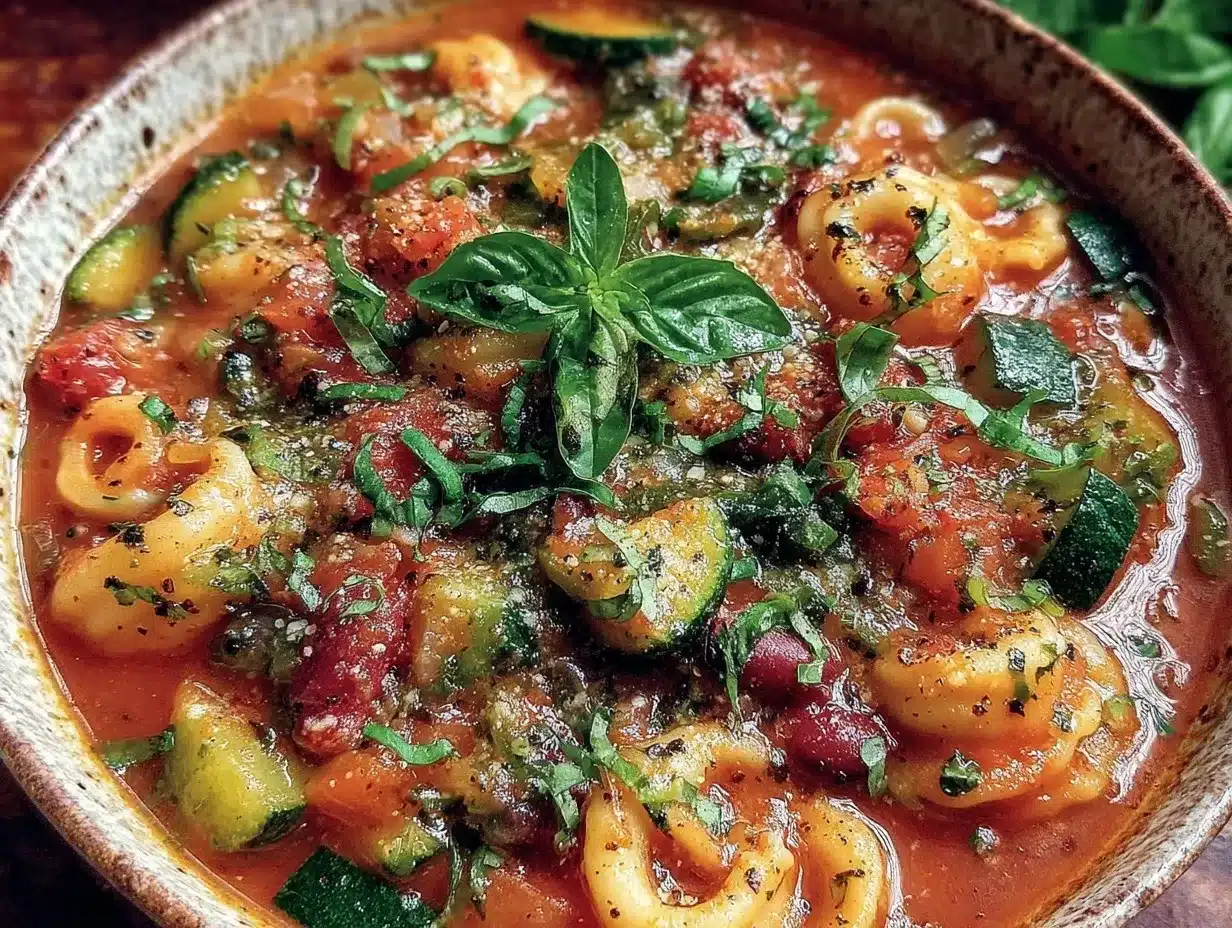
How to Make Wholesome Veggie-Loaded Minestrone Soup
-
Prep the Veggies (10 minutes):
Wash and dice the onion, carrots, celery, and zucchini. Chop the green beans into bite-sized pieces. Mince the garlic. Rinse and drain both types of beans. If you’re using fresh spinach, roughly chop it.
Tip: Get everything ready before you start cooking—mise en place makes it more relaxing! -
Sauté the Aromatics (5 minutes):
Heat 2 tablespoons (30 ml) olive oil in your soup pot over medium heat. Add the onion, carrots, and celery. Cook, stirring occasionally, until the vegetables start to soften and the onion turns translucent, about 4-5 minutes. Stir in the garlic and tomato paste, and cook for 1 minute, until fragrant and the tomato paste darkens slightly.
The tomato paste might stick a little—don’t worry, that’s flavor! -
Build the Soup Base (5 minutes):
Add the diced tomatoes (with juices), zucchini, and green beans. Stir to combine. Pour in the vegetable broth, then add the bay leaf, dried oregano, dried basil, salt, black pepper, and red pepper flakes (if using). Bring to a gentle boil over medium-high heat.
If you like a thicker soup, use less broth; for a lighter soup, add an extra cup of water. -
Simmer and Add Beans (15 minutes):
Reduce heat to a simmer. Add the kidney beans and cannellini beans. Cover loosely and simmer for 15 minutes, stirring occasionally. This is when the flavors really start to come together—your kitchen will smell amazing!
If the soup looks too thick, add a splash more broth. -
Add Pasta and Greens (10 minutes):
Stir in the uncooked pasta and simmer for 8-10 minutes, until the pasta is al dente. For the last 2-3 minutes, add the chopped spinach and stir until wilted.
Note: Pasta can soak up a lot of broth; add more liquid if needed. If you plan to store leftovers, cook the pasta separately and add it to each bowl before serving to prevent sogginess. -
Finish and Serve (5 minutes):
Remove the bay leaf. Taste and adjust seasoning, adding more salt, pepper, or a squeeze of lemon juice if you like things brighter. Ladle into bowls and sprinkle with fresh parsley and a generous grating of Parmesan.
Optional: Serve with crusty bread or garlic toast for dipping. Pure comfort!
Troubleshooting Tips: If your soup tastes flat, try a bit more salt or a squeeze of lemon. If it’s too thick, add broth. If you overcook the pasta, don’t sweat it—it’ll still taste great, just a little softer. And if you forget the spinach until the last minute, just stir it in off the heat—the residual warmth will wilt it perfectly.
Cooking Tips & Techniques
Through plenty of soup nights (and a few kitchen mishaps), I’ve picked up some tricks to guarantee the best minestrone every time:
- Sauté Tomato Paste: Don’t skip this step! Cooking tomato paste with the veggies unlocks a deeper, almost sweet flavor. One time I forgot, and the soup was noticeably less rich.
- Simmer Gently: A rolling boil can break up the beans and turn veggies mushy. Keep it at a gentle simmer for the best texture—patience pays off!
- Cook Pasta Separately for Leftovers: If you know you’ll have leftovers, cook the pasta in a separate pot. Add it to bowls before serving. This keeps the pasta from getting soggy (learned this one the hard way).
- Season in Layers: Add a little salt with each step—veggies, broth, finishing. It builds depth without making the soup too salty.
- Don’t Fear the Greens: Stir in spinach, kale, or whatever greens you like right at the end. They wilt quickly and add a nutrition boost without overpowering the flavor.
- Brighten with Acid: If the soup tastes a little dull, a squeeze of lemon or splash of red wine vinegar at the end makes everything pop.
- Batch Cooking: Minestrone freezes beautifully. Make a double batch, freeze half (without pasta), and you’ve got a quick dinner for another night.
I’ve burned the bottom of my pot once or twice by wandering off—so keep the heat low, and give it a stir every now and then. And if you’re multitasking, set a timer for the pasta so you don’t end up with veggie stew!
Variations & Adaptations
The beauty of minestrone soup is just how customizable it is—think of this recipe as your starting point! Here are some of my favorite ways to mix things up:
- Gluten-Free: Swap in your favorite gluten-free pasta or use cooked rice or quinoa instead. I’ve tried it with chickpea pasta—delicious and extra protein-packed.
- Seasonal Switches: In summer, add fresh corn, diced bell peppers, or even yellow squash. In winter, root veggies like parsnips or sweet potatoes are fantastic.
- Protein Boost: Stir in cooked shredded chicken, turkey, or even crumbled Italian sausage for a heartier meal. For a vegan protein punch, add a handful of cooked lentils.
- Low-Carb: Skip the pasta and load up on extra green beans, spinach, or even chopped cauliflower. The soup is so flavorful, you won’t miss the noodles.
- Herb Lovers: Finish with fresh basil, thyme, or a swirl of pesto for a burst of fresh flavor.
- Allergen Substitutions: Use dairy-free Parmesan or skip the cheese if you’re avoiding dairy. For a soy allergy, double-check your vegetable broth label.
One of my favorite twists? Stirring in a spoonful of homemade basil pesto right before serving—the flavor is out of this world! Don’t be afraid to play around with this soup; with minestrone, the rules are made to be broken.
Serving & Storage Suggestions
This minestrone soup recipe is best served piping hot, straight from the pot. A big ladleful in a wide, shallow bowl, topped with freshly grated Parmesan and a sprinkle of parsley, looks beautiful and tastes even better. I love pairing it with crusty sourdough bread or a simple side salad with a tangy vinaigrette. For a cozier touch, serve with garlic bread or focaccia—perfect for soaking up every last drop.
Got leftovers? Let the soup cool to room temperature, then store in airtight containers in the fridge for up to 4 days. If you’ve cooked the pasta in the soup, it will soak up some broth—just add a splash of water or extra broth when reheating. For freezer storage, I recommend leaving out the pasta (add it fresh when reheating). Ladle cooled soup into freezer-safe containers, leaving a little space for expansion, and freeze for up to 3 months.
To reheat, warm gently on the stove until steaming, or microwave individual servings. The flavors get even richer after a day or two, making leftovers something to look forward to! Honestly, this soup tastes just as good (if not better) on day two.
Nutritional Information & Benefits
This wholesome minestrone soup is brimming with nutrition, thanks to all those colorful veggies and beans. Here’s what you get in each hearty bowl (about 1.5 cups):
- Calories: Approximately 240
- Protein: 10g
- Fiber: 8g
- Fat: 5g
- Carbs: 38g
It’s naturally vegan and can be made gluten-free (with gluten-free pasta) or dairy-free (skip the cheese garnish). The beans add plant-based protein and fiber, which help you feel full and satisfied. All those veggies pack a punch of vitamins A, C, and K, plus antioxidants and minerals. The olive oil provides healthy fats, and the soup is low in saturated fat. Be aware of sodium content—use low-sodium broth if you’re watching your salt intake. As someone who tries to sneak more veggies into my meals, I love how this soup makes it easy (and tasty) to do just that!
Conclusion
If you’re on the hunt for a minestrone soup recipe that’s easy, veggie-loaded, and guaranteed to warm you from the inside out, this one’s for you. It’s become my go-to for busy weeknights, lazy Sunday suppers, and anytime my family needs a little extra comfort. I truly love how forgiving and flexible this soup is—no two pots ever turn out exactly the same, and that’s part of the fun.
Don’t be afraid to mix things up with your favorite veggies, beans, or pasta shapes—make it your own! Whether you’re a seasoned soup-maker or trying minestrone for the first time, I hope this recipe brings as much joy to your table as it has to mine. If you try it, let me know how it went in the comments or share your own creative twists. Cozy up, grab a spoon, and enjoy every nourishing bite!
Frequently Asked Questions
Can I make this minestrone soup recipe in a slow cooker?
Yes! Sauté the aromatics in a skillet first, then add everything except the pasta and spinach to your slow cooker. Cook on low for 6-7 hours or high for 3-4 hours. Add pasta and spinach during the last 30 minutes, so they don’t get mushy.
What pasta shapes work best in minestrone soup?
Small shapes like ditalini, elbows, or small shells are perfect. If you don’t have those, break up spaghetti or use orzo. Just avoid large pastas—they’ll overpower the veggies.
Can I freeze minestrone soup?
Absolutely! For best results, freeze the soup without pasta, as pasta tends to get mushy after thawing. Add cooked pasta when you reheat the soup. It keeps well in the freezer for up to 3 months.
How do I make minestrone soup gluten-free?
Just swap the regular pasta for a gluten-free version or use cooked rice or quinoa. Double-check your broth label to make sure it’s gluten-free too.
What can I use instead of beans?
If you’re not a fan of beans, try adding extra veggies (like diced potatoes or peas) or cooked lentils for protein. The soup is very flexible—use what you love!
Pin This Recipe!

Minestrone Soup Recipe: Easy Veggie-Loaded Dinner for Cozy Nights

This wholesome minestrone soup is packed with colorful veggies, beans, and pasta in a savory tomato broth. It’s a cozy, comforting dinner perfect for chilly nights and busy weeknights alike.
- Prep Time: 15 minutes
- Cook Time: 30 minutes
- Total Time: 45 minutes
- Yield: 6 servings 1x
- Category: Main Course
- Cuisine: Italian
Ingredients
- 2 tablespoons olive oil
- 1 medium yellow onion, diced
- 2 medium carrots, peeled and diced
- 2 stalks celery, diced
- 3 cloves garlic, minced
- 2 tablespoons tomato paste
- 1 can (14.5 oz) diced tomatoes (with juices)
- 1 medium zucchini, diced
- 1 cup green beans, chopped (fresh or frozen)
- 2 cups baby spinach, roughly chopped
- 1 can (15 oz) kidney beans, drained and rinsed
- 1 can (15 oz) cannellini beans, drained and rinsed
- 3/4 cup ditalini or small pasta (elbows or small shells)
- 6 cups vegetable broth (low sodium)
- 1 bay leaf
- 1 teaspoon dried oregano
- 1 teaspoon dried basil
- Salt and black pepper, to taste
- 1/2 teaspoon red pepper flakes (optional)
- 2 tablespoons fresh parsley, chopped
- Freshly grated Parmesan cheese (for serving, optional)
- Lemon wedges (optional)
Instructions
- Wash and dice the onion, carrots, celery, and zucchini. Chop green beans into bite-sized pieces. Mince garlic. Rinse and drain both types of beans. Roughly chop spinach if using fresh.
- Heat olive oil in a large soup pot over medium heat. Add onion, carrots, and celery. Cook, stirring occasionally, until vegetables soften and onion is translucent, about 4-5 minutes. Stir in garlic and tomato paste, and cook for 1 minute until fragrant.
- Add diced tomatoes (with juices), zucchini, and green beans. Stir to combine. Pour in vegetable broth, then add bay leaf, oregano, basil, salt, pepper, and red pepper flakes (if using). Bring to a gentle boil over medium-high heat.
- Reduce heat to a simmer. Add kidney beans and cannellini beans. Cover loosely and simmer for 15 minutes, stirring occasionally.
- Stir in uncooked pasta and simmer for 8-10 minutes, until pasta is al dente. For the last 2-3 minutes, add chopped spinach and stir until wilted.
- Remove bay leaf. Taste and adjust seasoning, adding more salt, pepper, or a squeeze of lemon juice if desired. Ladle into bowls and sprinkle with fresh parsley and Parmesan cheese if using. Serve hot.
Notes
For gluten-free, use gluten-free pasta or cooked rice. Cook pasta separately if planning for leftovers to prevent sogginess. Add extra veggies or swap spinach for kale or Swiss chard as desired. Brighten flavors with a squeeze of lemon or splash of vinegar at the end. Minestrone freezes well (without pasta).
Nutrition
- Serving Size: About 1.5 cups per s
- Calories: 240
- Sugar: 8
- Sodium: 650
- Fat: 5
- Saturated Fat: 1
- Carbohydrates: 38
- Fiber: 8
- Protein: 10
Keywords: minestrone soup, veggie soup, Italian soup, vegetarian dinner, easy soup recipe, healthy soup, comfort food, weeknight dinner, gluten-free option, vegan soup