“You’re telling me this bread doesn’t need kneading?” my friend asked, eyeing the sticky dough with a mix of skepticism and curiosity. Honestly, I was half-sure myself when I first stumbled upon this no-knead focaccia recipe during one of those chaotic spring weekends when I barely had the energy to cook, let alone wrestle with dough. What started as a hopeful experiment—because who really has time to knead bread after a long day?—quickly became a kitchen staple I found myself making not once, but several times in a week.
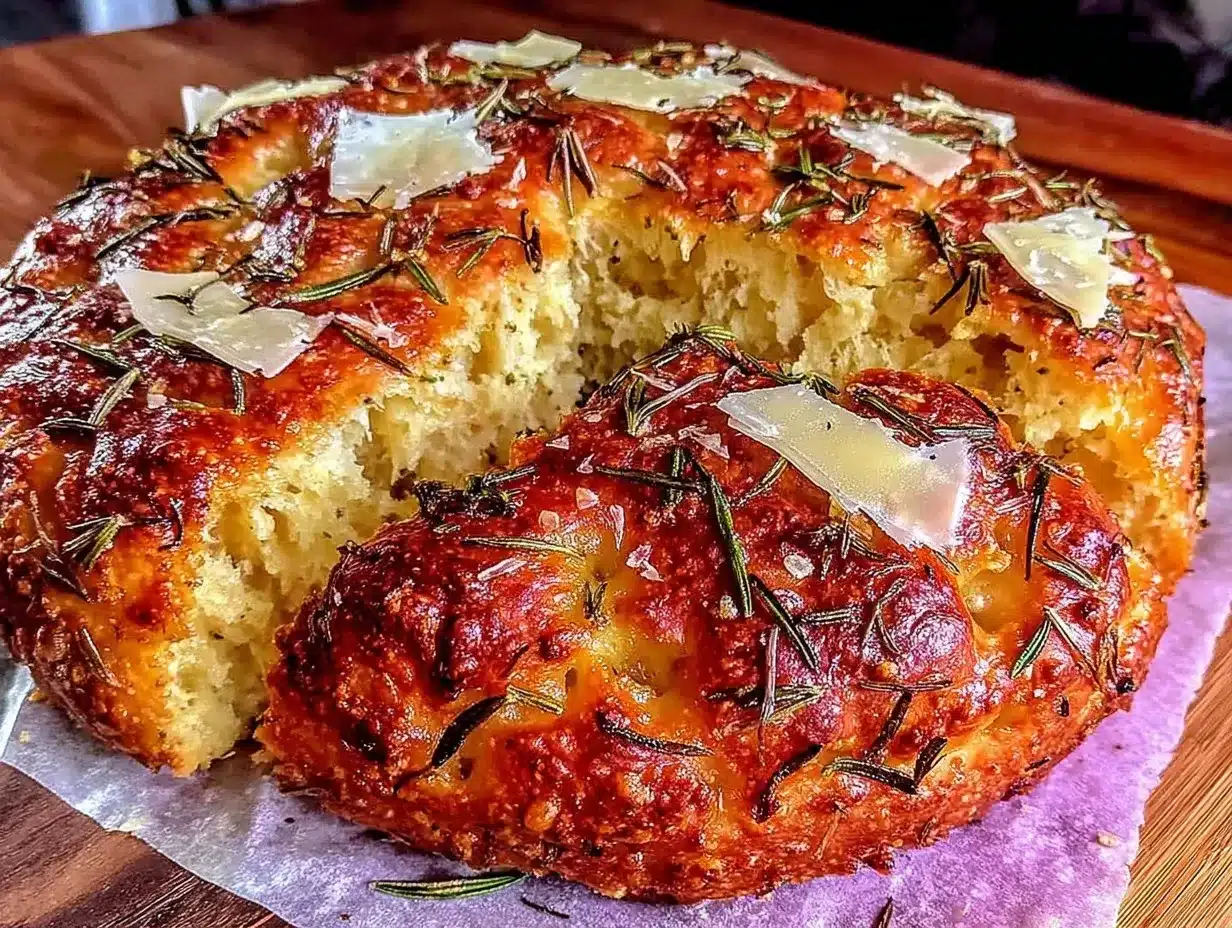
The scent of fresh rosemary wafting through the house, the golden, crispy crust flecked with savory Parmesan, and the soft, pillowy crumb inside—it all felt like a little spring miracle. There were days when I’d break off a corner just to snack on it while waiting for dinner to finish, or tear off pieces to share during impromptu visits from neighbors. This focaccia has that kind of warmth that turns a rushed weeknight into something a bit more special, even if the kitchen floor is messy and the week’s laundry is still undone.
What truly won me over was that this recipe trusts time more than technique. No fancy equipment, no complicated steps—just patience and simplicity. It’s the sort of bread that makes you realize you don’t have to be a pro baker to fill your home with the smell of fresh-baked goodness. After a few tries, I tweaked it to perfection, adding just the right sprinkle of Parmesan and a handful of fragrant rosemary leaves picked fresh from the garden. It’s a recipe that quietly promises comfort without fuss, and honestly, that’s why it sticks around in my kitchen.
Why You’ll Love This Recipe
This crispy rosemary Parmesan no-knead spring focaccia has been tested repeatedly in my kitchen and passed by all kinds of taste testers—from picky eaters to bread enthusiasts. Here’s why it deserves a spot in your recipe collection:
- Quick & Easy: The prep takes just 10 minutes, and the dough does all the work overnight. Perfect when you want fresh bread without the hassle.
- Simple Ingredients: Uses pantry staples like flour, yeast, and olive oil, plus fresh rosemary and Parmesan for a flavor punch. No obscure ingredients or special trips to the store.
- Perfect for Spring Gatherings: Light, airy, and crispy, this focaccia fits beautifully on your brunch spread or as an appetizer alongside dishes like my creamy asparagus risotto.
- Crowd-Pleaser: The cheesy, herbaceous crust always gets compliments, whether it’s for family dinners or casual get-togethers.
- Unbelievably Delicious: The crispy edges and tender interior with a subtle tang remind me of bakery-quality bread, but it’s homemade and easy.
What sets this focaccia apart? The no-knead technique means you’re leveraging slow fermentation to develop flavor naturally, while the Parmesan adds a nutty, salty dimension that you won’t find in basic focaccia recipes. Plus, the fresh rosemary picked from my window box garden brings a spring freshness that feels both comforting and bright. Honestly, this isn’t just bread—it’s a little slice of homemade joy that fits seamlessly into any meal.
What Ingredients You Will Need
This recipe uses simple, wholesome ingredients that come together to create bold flavors and a satisfying texture without any fuss. Most are pantry staples you probably already have, and the fresh rosemary and Parmesan are easy to swap or omit if needed.
- All-purpose flour (3 cups / 375 g) – the base for great focaccia texture; I prefer King Arthur flour for consistent results.
- Instant yeast (1 tsp / 3 g) – no need to proof, which keeps things extra easy.
- Warm water (1 ½ cups / 360 ml) – activates the yeast; aim for about 100°F (38°C).
- Olive oil (3 tbsp / 45 ml) – plus extra for drizzling; I recommend a fruity extra virgin olive oil for the best aroma.
- Salt (1 ½ tsp / 9 g) – enhances flavor; sea salt flakes work great on top for crunch.
- Fresh rosemary (2 tbsp, finely chopped) – brings that signature spring herb flavor; dried rosemary can be substituted but fresh is best.
- Grated Parmesan cheese (½ cup / 50 g) – adds a savory, crispy crust layer; Parmigiano-Reggiano preferred.
- Coarse sea salt (for sprinkling) – optional, but highly recommended for that little extra crunch and flavor burst.
If you want a gluten-free option, try swapping the flour with an equal amount of a gluten-free blend, though texture will vary slightly. For a dairy-free version, skip the Parmesan or use a plant-based cheese alternative. In the spring, I sometimes toss in a few edible flowers on top before baking, just for a whimsical touch.
Equipment Needed
- Large mixing bowl: For combining and rising the dough; glass or stainless steel works well.
- Wooden spoon or spatula: To mix the sticky dough; no need for a stand mixer here.
- 9×13-inch (23×33 cm) baking pan: For shaping and baking the focaccia. A rimmed baking sheet works too.
- Plastic wrap or kitchen towel: To cover the dough while it rises, keeping it moist.
- Measuring cups and spoons: For accurate ingredient amounts.
- Cooling rack: To rest the focaccia after baking so it stays crisp.
I’ve found that a rimmed baking sheet with a non-stick surface is great for crisp bottoms, but if you don’t have one, lining the pan with parchment paper is a simple alternative. No fancy bread proofing baskets needed, which is a relief for anyone short on kitchen gadgets. Cleaning up is a breeze since the dough is mixed right in the bowl, no extra bowls or machines involved.
Preparation Method
- Mix the dry ingredients: In your large bowl, combine 3 cups (375 g) of all-purpose flour, 1 tsp (3 g) instant yeast, and 1 ½ tsp (9 g) salt. Stir them together well with a wooden spoon.
- Add water and olive oil: Pour in 1 ½ cups (360 ml) warm water and 3 tbsp (45 ml) olive oil. Mix until the dough is shaggy, sticky, and all the flour is hydrated. This should take about 2 minutes. Don’t worry if it looks wet and rough—that’s exactly right.
- First rise: Cover the bowl with plastic wrap or a damp towel and let the dough rest at room temperature for 12 to 18 hours. You’ll know it’s ready when it’s bubbly and has doubled in size. (This slow rise builds flavor and texture without kneading.)
- Prepare the pan: Generously oil a 9×13-inch (23×33 cm) pan with olive oil. This helps create that crispy crust.
- Transfer and shape the dough: With well-oiled hands, gently scrape the dough onto the prepared pan. Use your fingers to spread it evenly to the edges, but don’t overwork it. If the dough resists, let it rest for 5 minutes and try again.
- Second rise: Cover the dough lightly and let it rise again for 1 to 2 hours until slightly puffy.
- Preheat the oven: Heat to 450°F (230°C) about 20 minutes before baking. Place a rack in the middle position.
- Add toppings: Press your fingertips gently into the dough to create dimples. Drizzle 2 tbsp olive oil over the surface. Sprinkle 2 tbsp chopped fresh rosemary and ½ cup (50 g) grated Parmesan evenly on top. Finish with a pinch of coarse sea salt.
- Bake: Place the pan in the oven and bake for 20 to 25 minutes until the focaccia is golden brown, crispy on the edges, and smells heavenly.
- Cool: Remove from the oven and transfer to a cooling rack for at least 15 minutes before slicing. This resting time helps keep the crust crisp and the inside tender.
If your focaccia spreads unevenly, a quick tip is to oil your fingers well before shaping and avoid poking too deep. The key is gentle handling. When baking, keep an eye on the color—if it’s browning too fast, tent loosely with foil after 15 minutes.
Cooking Tips & Techniques
Here’s what I’ve learned after making this focaccia dozens of times:
- Patience is your best friend: The slow, no-knead rise is what develops flavor and texture, so don’t rush it. If your kitchen is cold, let it rise a bit longer.
- Use good olive oil: Since it’s a major flavor player here, a quality extra virgin olive oil really makes a difference. It also helps crisp the crust beautifully.
- Don’t skip the dimples: Those little indentations aren’t just decorative—they hold the oil and toppings, giving each bite a burst of flavor and texture.
- Handling sticky dough: Wet your hands or oil them before touching the dough to prevent sticking. Also, avoid overworking, which can deflate the air bubbles you want.
- Watch your oven temperature: A hot oven is crucial for the crispy crust. If you don’t have a convection setting, just preheat longer to get a hot bottom heat.
- Common mistake: Trying to knead this dough will defeat the purpose. Trust the slow fermentation to do the work.
Also, multitasking is easy here—you can prepare the dough before bed and wake up to a house smelling like a bakery. While it’s rising, it’s a great time to prep other dishes, like my spring garden vegetable frittata, to round out your brunch table.
Variations & Adaptations
While this recipe is fantastic as-is, I enjoy mixing things up now and then:
- Herb swaps: Instead of rosemary, try thyme, oregano, or a mix of fresh herbs for different flavor profiles.
- Cheese options: Swap Parmesan for Pecorino Romano or a sprinkle of crumbled feta for tangy notes.
- Seasonal toppings: Add thinly sliced spring onions, cherry tomatoes, or olives on top before baking for extra color and taste.
- Gluten-free: Use a gluten-free flour blend, though expect a slightly denser focaccia.
- Cooking method: This focaccia can be baked on a pizza stone for a crisper bottom or even tried on a grill with a cast iron pan for a smoky flavor.
One time, I tossed in some crushed red pepper flakes for a subtle kick, which paired surprisingly well with the Parmesan saltiness. It’s fun to tailor this bread to your mood or meal, making it truly your own.
Serving & Storage Suggestions
This focaccia shines best fresh and slightly warm. I like slicing it into squares and serving alongside salads, soups, or antipasto platters. It pairs beautifully with a simple olive oil and balsamic dip or alongside dishes like honey lemon glazed salmon for a full spring dinner.
Store any leftovers tightly wrapped at room temperature for up to 2 days. For longer storage, freeze cut pieces in a zip-top bag for up to 3 months. To reheat, warm in a 350°F (175°C) oven for 5-7 minutes to bring back the crispiness.
Flavors actually deepen the day after baking, so if you can resist, letting focaccia rest overnight wrapped in foil sometimes rewards you with even better taste the next day.
Nutritional Information & Benefits
Per serving (assuming 8 servings): approximately 220 calories, 8g fat, 29g carbohydrates, 5g protein.
This focaccia offers some health perks thanks to olive oil’s heart-healthy fats and rosemary’s antioxidants. Parmesan adds a boost of calcium and protein, making this bread more than just empty calories. While it’s not low-carb, the use of simple, whole ingredients makes it a satisfying treat you can enjoy mindfully.
If you’re watching sodium intake, reduce the salt sprinkled on top or experiment with low-sodium cheese options. For those avoiding gluten, my earlier note on substitution applies.
Conclusion
This crispy rosemary Parmesan no-knead spring focaccia has become a quiet favorite in my kitchen because it blends ease with rustic charm. It’s a proof that great bread doesn’t have to be complicated or time-consuming. I love how it brings people together—whether for casual snacks or part of a festive meal like the ones I often prepare alongside my quiche Lorraine.
Feel free to tweak the herbs, cheese, or toppings to suit your taste. When you make this focaccia your own, it becomes not just a recipe but a personal tradition. I’d love to hear how you customize it or what dishes you pair it with—drop a comment below and share your experiences!
Frequently Asked Questions
Can I make this focaccia without Parmesan cheese?
Yes, you can skip Parmesan or substitute with another grated cheese like Pecorino or even a dairy-free alternative. The flavor will be slightly different but still delicious.
Do I have to use fresh rosemary?
Fresh rosemary offers the best aroma and flavor, but dried rosemary can be used if that’s what you have. Use about half the amount since dried herbs are more concentrated.
How long does the dough need to rise?
The first rise should be 12 to 18 hours at room temperature for optimal flavor. The second rise on the pan takes about 1 to 2 hours until puffy.
Can I prepare the dough in advance and bake later?
Absolutely! You can refrigerate the dough after the first rise and bake within 24 hours. Just bring it to room temperature before shaping and the second rise.
What’s the best way to reheat leftover focaccia?
Warm it in a preheated 350°F (175°C) oven for 5 to 7 minutes to restore crispness without drying it out.
Pin This Recipe!
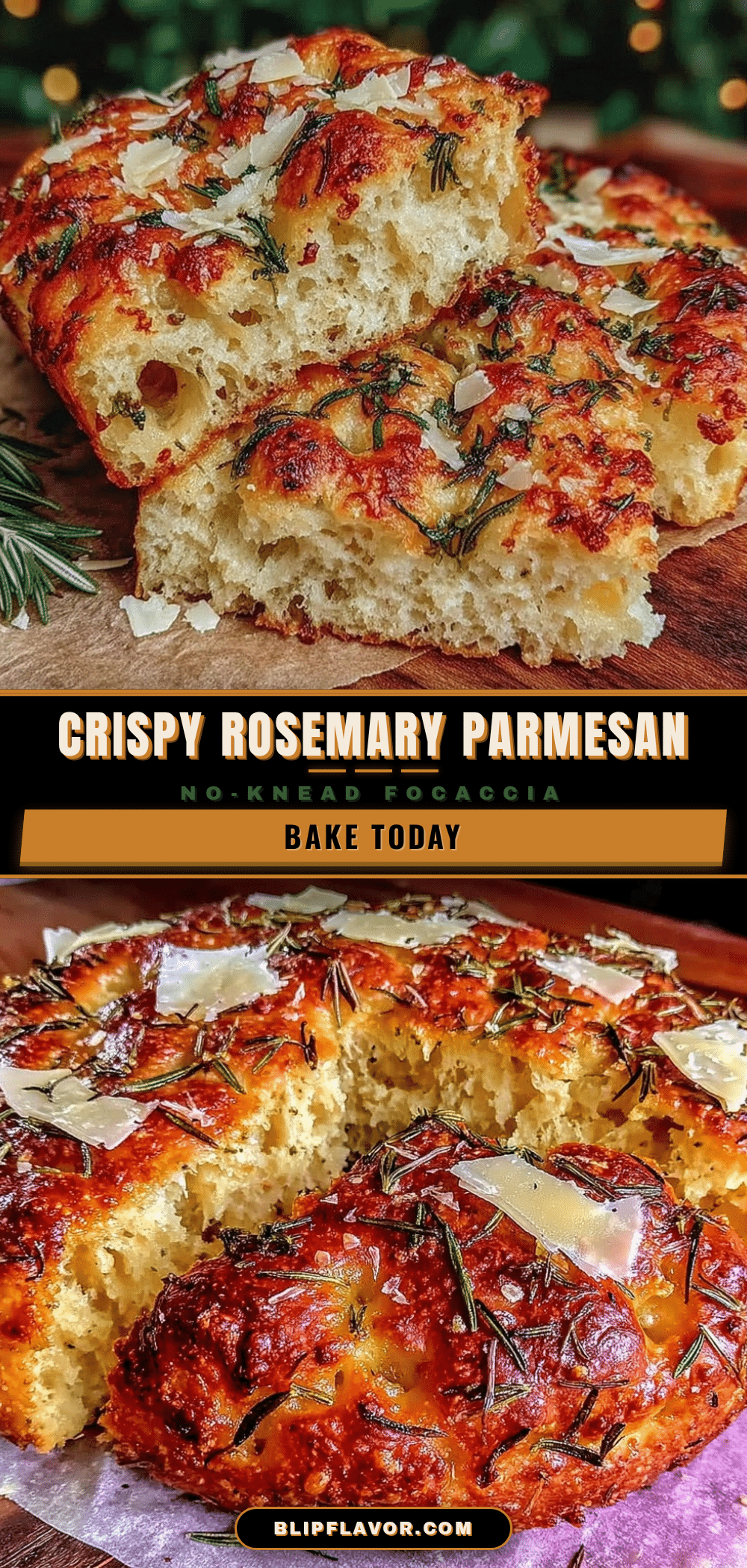
Crispy Rosemary Parmesan No-Knead Spring Focaccia

A simple no-knead focaccia bread with a crispy rosemary and Parmesan crust, perfect for spring gatherings and easy homemade baking.
- Prep Time: 10 minutes
- Cook Time: 25 minutes
- Total Time: 13 hours 35 minutes
- Yield: 8 servings 1x
- Category: Bread
- Cuisine: Italian
Ingredients
- 3 cups (375 g) all-purpose flour
- 1 tsp (3 g) instant yeast
- 1 ½ tsp (9 g) salt
- 1 ½ cups (360 ml) warm water (about 100°F / 38°C)
- 3 tbsp (45 ml) olive oil, plus extra for drizzling and pan
- 2 tbsp fresh rosemary, finely chopped
- ½ cup (50 g) grated Parmesan cheese
- Coarse sea salt for sprinkling (optional)
Instructions
- In a large bowl, combine flour, instant yeast, and salt. Stir well with a wooden spoon.
- Add warm water and olive oil. Mix until dough is shaggy, sticky, and all flour is hydrated, about 2 minutes.
- Cover bowl with plastic wrap or damp towel and let dough rest at room temperature for 12 to 18 hours until bubbly and doubled in size.
- Generously oil a 9×13-inch (23×33 cm) baking pan.
- With well-oiled hands, scrape dough onto the prepared pan and spread evenly to edges. If dough resists, let rest 5 minutes and try again.
- Cover dough lightly and let rise again for 1 to 2 hours until slightly puffy.
- Preheat oven to 450°F (230°C) about 20 minutes before baking. Place rack in middle position.
- Press fingertips gently into dough to create dimples. Drizzle 2 tbsp olive oil over surface.
- Sprinkle chopped rosemary and grated Parmesan evenly on top. Finish with a pinch of coarse sea salt.
- Bake for 20 to 25 minutes until golden brown and crispy on edges.
- Remove from oven and transfer to cooling rack for at least 15 minutes before slicing.
Notes
Use quality extra virgin olive oil for best flavor and crispy crust. Wet or oil your hands before handling sticky dough to prevent sticking. Avoid overworking dough to keep air bubbles intact. If browning too fast, tent with foil after 15 minutes. Dough can be refrigerated after first rise and baked within 24 hours. Reheat leftovers in a 350°F oven for 5-7 minutes to restore crispness.
Nutrition
- Serving Size: 1 slice (1/8 of foca
- Calories: 220
- Fat: 8
- Carbohydrates: 29
- Protein: 5
Keywords: focaccia, no-knead bread, rosemary focaccia, Parmesan bread, spring bread, easy homemade bread, crispy focaccia