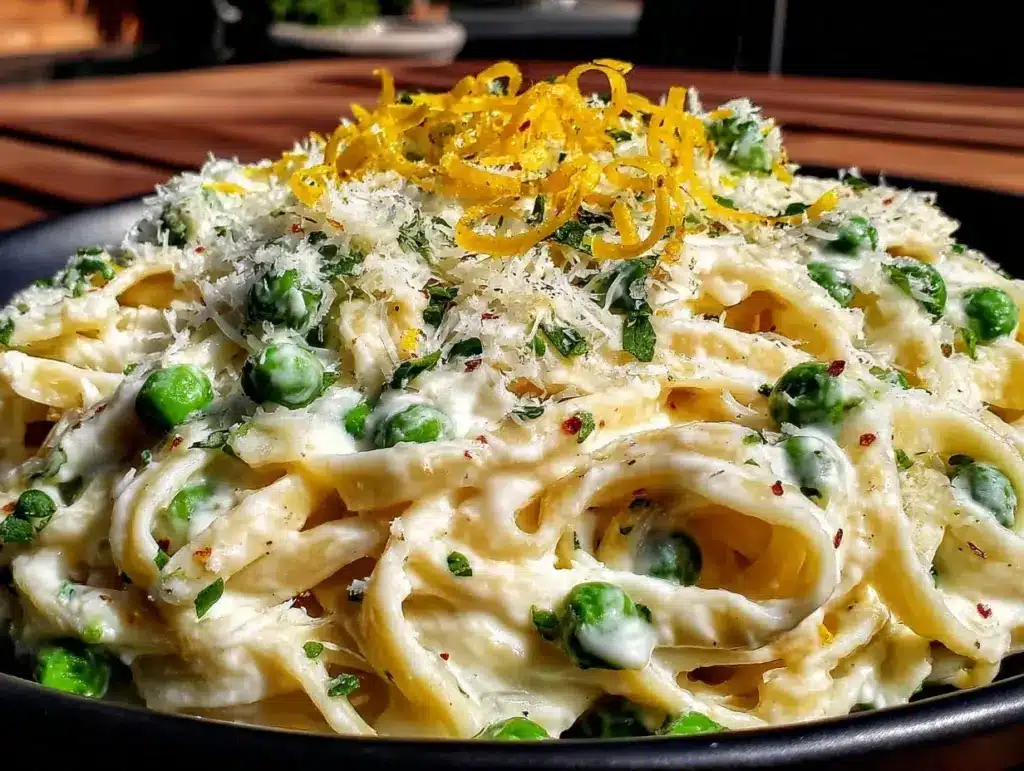
“You really have to try this,” my friend texted me one hectic Thursday evening. I was juggling dinner prep and emails when the message popped up with a photo of vibrant green peas nestled in creamy ricotta atop glistening pasta. Honestly, I was skeptical—one-pan pasta dishes usually lean toward the plain side, and lemon zest? I wasn’t sure if that would work here. But that night, when I finally gave this fresh one-pan spring pea and ricotta pasta with lemon zest a shot, it totally shifted my weeknight dinner routines.
The first thing I noticed was how the kitchen smelled—a bright, zesty aroma mingling with the sweetness of fresh peas that instantly lifted my mood. The creamy ricotta clinging to every strand of pasta felt like a little indulgence without the guilt. What really hooked me was how effortlessly it all came together in a single pan, saving me from the dreaded post-cooking cleanup. I made it twice that week, mixing up little tweaks each time, and it never got old.
What stuck with me most isn’t just the taste, but the way this recipe fits into real life. It’s not fussy or intimidating, just honest, fresh ingredients that somehow feel like a mini celebration after a long day. That subtle lemon zest? It’s like a quiet wink that everything’s going to be okay. I keep this recipe close, especially when I want something quick but still feels thoughtfully homemade—no shortcuts, just simple magic in one pan.
So, if you’re into meals that come together fast, taste like spring on a plate, and don’t bury you under a mountain of dishes, this one’s for you. Let’s dig into why this fresh one-pan spring pea and ricotta pasta with lemon zest has become my go-to for easy, satisfying dinners.
Why You’ll Love This Fresh One-Pan Spring Pea and Ricotta Pasta with Lemon Zest
I’ve tested this recipe through multiple dinners, and here’s what makes it stand out from the usual pasta fare:
- Quick & Easy: Ready in under 30 minutes, making it perfect for busy weeknights or last-minute cravings when you’re short on time but want a fresh meal.
- Simple Ingredients: No need for exotic grocery runs—just pantry staples and spring peas, which you can swap out for frozen if fresh aren’t in season.
- Perfect for Spring & Early Summer: This dish captures the essence of the season with green peas and lemon zest, ideal for light dinners or casual gatherings.
- Crowd-Pleaser: The creamy ricotta and bright lemon balance appeal to both kids and adults alike; it’s a subtle flavor combo that never disappoints.
- Unbelievably Delicious: The one-pan method infuses pasta with the essence of peas and ricotta, creating a silky texture that feels indulgent but is surprisingly light.
What sets this pasta apart is the way the lemon zest isn’t just an afterthought—it’s the secret ingredient that brings a lively freshness without overpowering the creamy ricotta. Also, cooking everything together in one pan lets the flavors marry beautifully, especially when you toss in a splash of pasta water at the end. I’ve found that using a good-quality ricotta (I’m partial to Galbani for its creamy texture) makes a noticeable difference.
This recipe isn’t just food; it’s a kind of reset button for your evening—a fresh, comforting dish that’s both wholesome and quick enough to make any night feel special.
What Ingredients You Will Need
This fresh one-pan spring pea and ricotta pasta with lemon zest uses simple, wholesome ingredients to deliver bold flavor and satisfying texture without the fuss. Most are pantry staples, and you might already have many on hand.
- Pasta: 8 ounces (225 grams) of spaghetti or linguine—long pasta works best to soak up the sauce evenly.
- Fresh or Frozen Peas: 1 cup (150 grams) peas, shelled if fresh (in spring, fresh peas add a lovely sweetness; frozen works fine year-round).
- Ricotta Cheese: 1 cup (250 grams), whole milk ricotta preferred for creaminess (Galbani or your local fresh ricotta).
- Lemon Zest: Zest of 1 large lemon (adds that bright, fresh pop without acidity).
- Lemon Juice: 2 tablespoons freshly squeezed (balances the richness).
- Garlic: 2 cloves, thinly sliced or minced (for gentle aroma and depth).
- Olive Oil: 3 tablespoons, extra virgin (for a fruity, smooth base).
- Vegetable Broth or Water: About 3 cups (720 ml), used to cook the pasta in the pan, adding flavor.
- Parmesan Cheese: ¼ cup (25 grams), finely grated, for topping (optional but highly recommended).
- Salt & Pepper: To taste (seasoning is key to bring out the flavors).
- Fresh Mint or Basil: A handful, roughly chopped (optional, but a nice touch of herbaceous freshness).
For substitutions: use gluten-free pasta to make it gluten-free, or swap ricotta for a dairy-free cashew cream if needed. If you prefer a little heat, a pinch of red pepper flakes can be added to the garlic step. In summer, fresh peas can be replaced or complemented with shelled fava beans or asparagus tips for a seasonal twist.
Equipment Needed
- Large deep skillet or sauté pan: At least 12 inches wide and with sides to hold the broth and pasta comfortably. A good non-stick skillet helps prevent sticking and makes cleanup easier.
- Microplane or fine grater: For zesting the lemon finely—fresh zest is crucial for the bright flavor.
- Wooden spoon or silicone spatula: For stirring gently without scratching your pan.
- Measuring cups and spoons: To get the quantities just right, especially for liquids and zest.
- Colander or strainer: Optional, depending on whether you rinse your peas or need to drain pasta extras.
If you don’t have a microplane, a regular fine grater will do, but be careful to avoid zesting the bitter white pith. On a budget? A good-quality skillet like a Lodge cast iron or a heavy-bottomed stainless pan will work well and last for years.
Preparation Method
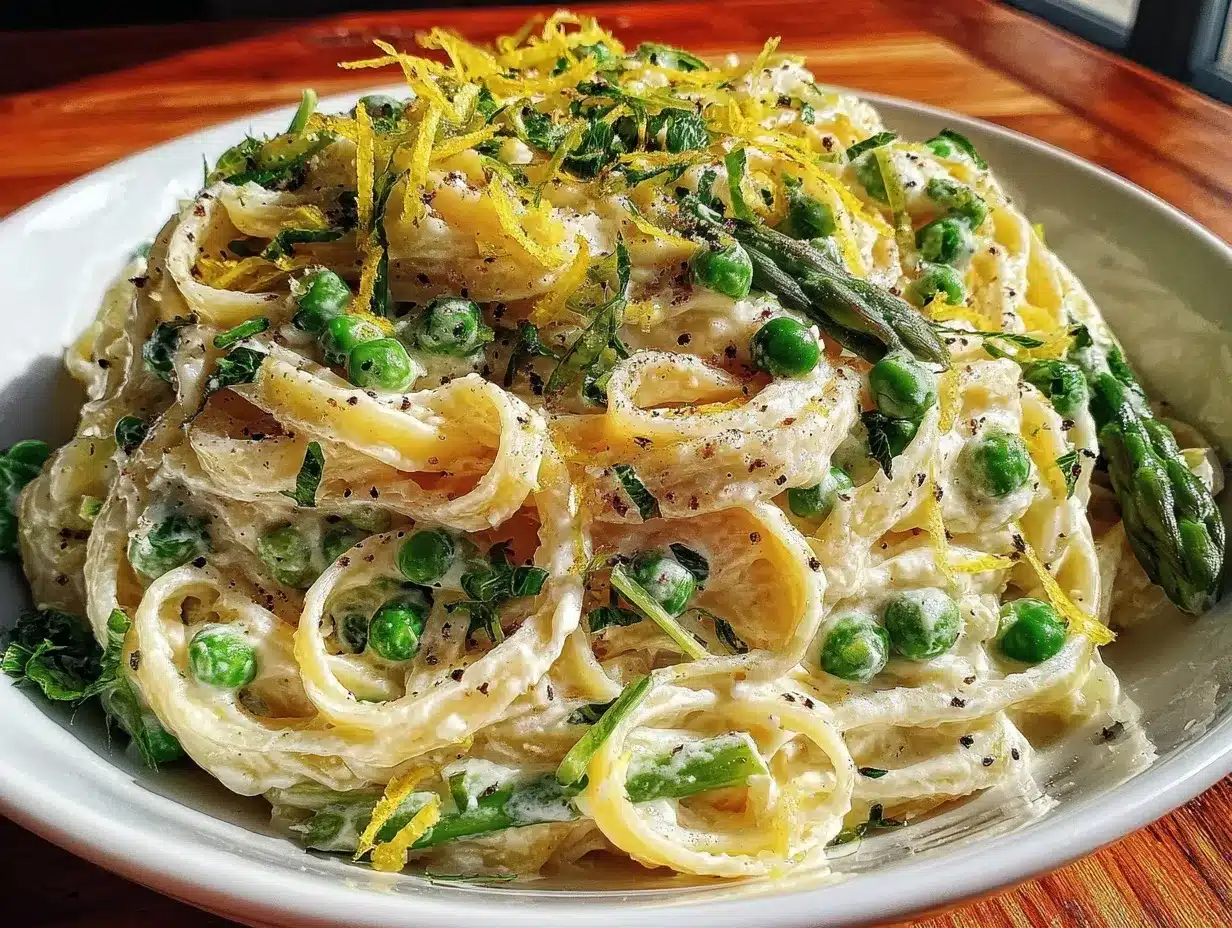
- Prepare the Ingredients: Start by zesting and juicing the lemon. Thinly slice or mince the garlic cloves. If using fresh peas, shell them; if frozen, no need to thaw.
- Heat the Skillet: Place your large skillet over medium heat and add the olive oil. Once shimmering, add the garlic and sauté for about 1 minute until fragrant but not browned (watch closely to avoid bitterness).
- Add Peas and Broth: Toss in the peas and pour in the vegetable broth (about 3 cups/720 ml). Bring to a gentle boil.
- Add the Pasta: Break the spaghetti in half if needed to fit the pan, then add it to the boiling broth. Submerge all the pasta, pressing down gently if it sticks out. Cook uncovered, stirring occasionally, for about 9-11 minutes, or until the pasta is tender and liquid mostly absorbed. Keep an eye on the liquid levels and add a splash of water if it dries out prematurely.
- Finish with Ricotta and Lemon: Remove the pan from heat. Stir in the ricotta cheese, lemon zest, and lemon juice. Mix gently until creamy and well combined. Season with salt and freshly ground black pepper to taste.
- Optional Touches: Toss in chopped fresh mint or basil for extra brightness. Sprinkle grated Parmesan cheese on top if using.
- Serve Immediately: This pasta is best enjoyed hot, right out of the pan, with an extra drizzle of olive oil or a sprinkle of lemon zest for garnish.
Pro Tip: If the sauce feels too thick, add a splash of warm water or broth to loosen it up. The pasta will soak up more liquid as it rests, so serve promptly for the best texture.
Cooking Tips & Techniques for Perfect One-Pan Pasta
One-pan pasta can sometimes feel tricky—getting the timing and liquid balance just right is the key. I’ve learned a few things the hard way. For example, don’t rush the pasta cooking; it needs steady heat and enough broth to soften fully but not turn mushy. Stirring often but gently prevents sticking without breaking the noodles.
Using fresh lemon zest is non-negotiable; pre-packaged zest just won’t cut it here. I also recommend stirring in ricotta off the heat to keep its creamy texture intact rather than curdling. If you add the cheese too early, it can separate and make the sauce grainy.
Multitasking tip: Prepare your lemon and garlic while the broth heats up to save time. Also, if you’re feeling extra fancy, a quick toast of pine nuts or walnuts on the side adds a lovely crunch you wouldn’t expect from such a simple dish.
Lastly, resist the urge to overcook the peas—they should be bright green and tender-crisp, not mushy. This keeps the dish fresh and lively, especially paired with the zing of lemon zest.
Variations & Adaptations
This fresh one-pan spring pea and ricotta pasta is wonderfully flexible:
- Seasonal Swap: Try swapping peas for asparagus tips in spring or fresh green beans in summer for a slightly different crunch and flavor.
- Protein Boost: Add cooked chicken breast strips or sautéed shrimp for a heartier meal without losing the fresh vibe.
- Dairy-Free Version: Replace ricotta with a smooth cashew cream or coconut yogurt alternative, and skip the Parmesan or use a vegan cheese.
- Herb Variations: Swap mint for basil or tarragon depending on what you have; each herb brings a unique note that complements lemon and ricotta.
Once, I tossed in a handful of sun-dried tomatoes for a sweet-tart contrast that surprisingly worked well. It’s a great way to add a pop of color and tang if you like a little twist.
Serving & Storage Suggestions
This pasta shines best served warm and fresh from the pan, ideally with a light side salad or crusty bread to soak up any leftover sauce. A crisp white wine or sparkling water with lemon works beautifully alongside.
If you have leftovers, store them in an airtight container in the refrigerator for up to 2 days. Reheat gently in a skillet with a splash of water or broth to bring back the creamy texture—microwaving can dry it out.
Over time, the flavors meld and the lemon zest aroma deepens, so leftovers can taste even better the next day—just add fresh herbs or a squeeze of lemon before serving to brighten it back up.
Nutritional Information & Benefits
This fresh one-pan spring pea and ricotta pasta is a balanced meal with roughly 400-450 calories per serving, depending on portion size and added toppings. Ricotta provides a good source of protein and calcium, while peas add fiber, vitamin C, and antioxidants.
It’s naturally vegetarian and can be adapted to gluten-free by swapping pasta. The lemon zest and juice contribute vitamin C and a refreshing zing without added calories or sugar.
As a mostly whole-foods recipe, it’s light enough to enjoy without feeling weighed down yet satisfying enough to keep hunger at bay.
Conclusion
This fresh one-pan spring pea and ricotta pasta with lemon zest is genuinely one of those recipes that feels like a small, tasty celebration of spring. It’s quick, easy, and deeply satisfying without being complicated or heavy. I love how adaptable it is—you can swap ingredients or add extras to suit your mood or pantry.
For me, it’s become a quiet favorite that makes busy weeknights feel a bit more special and less rushed. If you try it, I’d love to hear how you put your own spin on it or what sides you pair it with—sharing those kitchen moments is what makes cooking fun.
Enjoy your fresh, creamy, lemony pasta and the little moments it brings to your table.
Frequently Asked Questions
Can I use frozen peas for this recipe?
Yes, frozen peas work well and are a great substitute when fresh peas aren’t in season. Just add them directly to the pan without thawing.
Is this recipe gluten-free?
It can be! Simply swap the pasta for your favorite gluten-free variety. The cooking method and flavors stay the same.
Can I prepare this dish in advance?
It’s best served fresh, but you can store leftovers in the fridge for up to 2 days. Reheat gently with a splash of broth or water.
What type of ricotta cheese is best?
Whole milk ricotta provides the creamiest texture. I recommend fresh brands like Galbani or your local artisanal ricotta if available.
How do I prevent the pasta from sticking during cooking?
Stir the pasta frequently and make sure there’s enough broth covering it. Adding a little extra liquid if it gets too dry helps keep everything moving smoothly.
For more fresh pasta inspiration, you might enjoy the creamy asparagus risotto recipe or the fresh spring roll bowls with peanut sauce featured on this site—they both celebrate seasonal flavors with ease and flair.
Pin This Recipe!
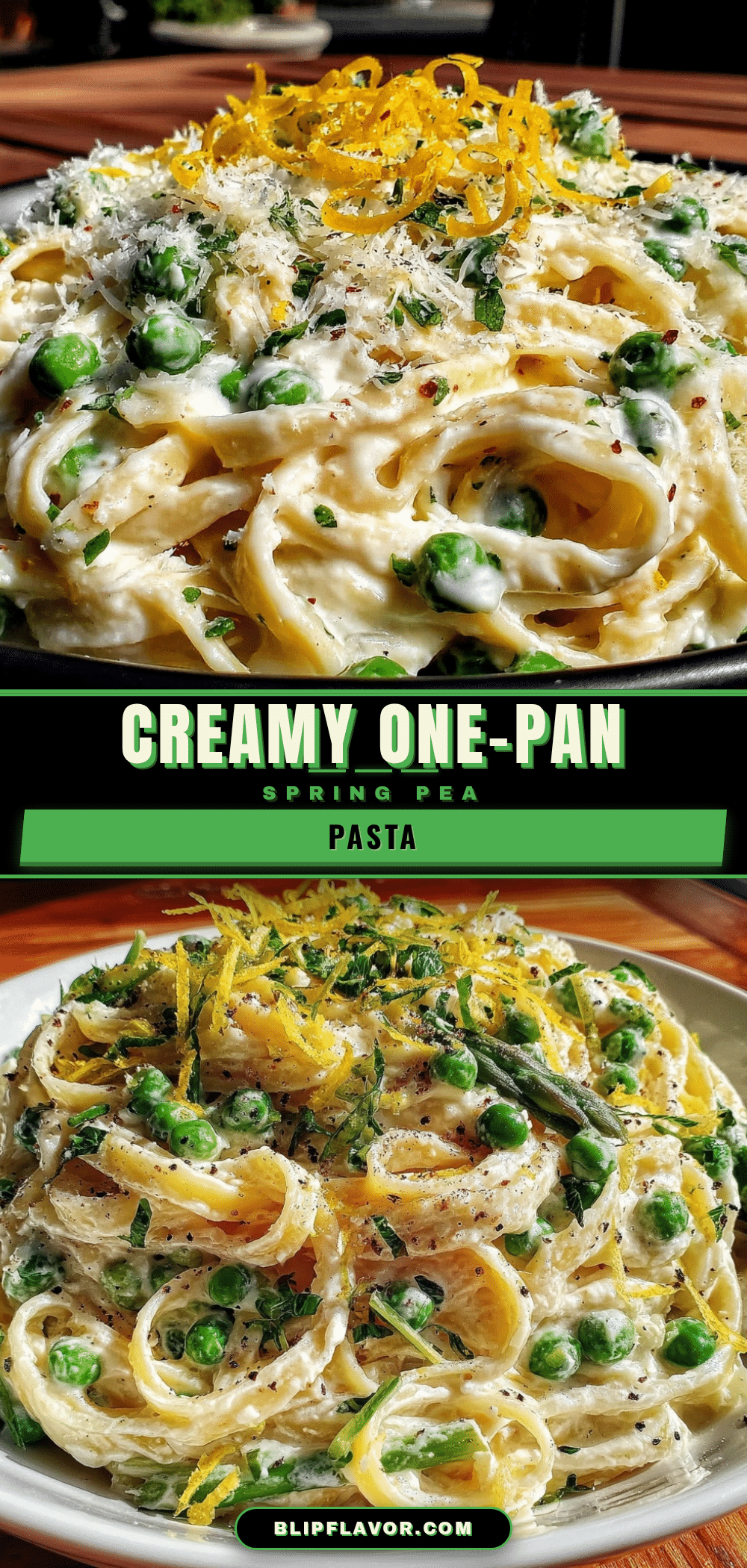
Fresh One-Pan Spring Pea and Ricotta Pasta with Lemon Zest
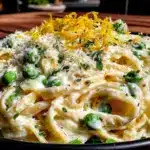
A quick and easy one-pan pasta dish featuring fresh or frozen peas, creamy ricotta, and bright lemon zest for a fresh spring-inspired meal that’s perfect for busy weeknights.
- Prep Time: 10 minutes
- Cook Time: 15 minutes
- Total Time: 25 minutes
- Yield: 4 servings 1x
- Category: Main Course
- Cuisine: Italian
Ingredients
- 8 ounces (225 grams) spaghetti or linguine
- 1 cup (150 grams) fresh or frozen peas, shelled if fresh
- 1 cup (250 grams) whole milk ricotta cheese
- Zest of 1 large lemon
- 2 tablespoons freshly squeezed lemon juice
- 2 cloves garlic, thinly sliced or minced
- 3 tablespoons extra virgin olive oil
- About 3 cups (720 ml) vegetable broth or water
- ¼ cup (25 grams) finely grated Parmesan cheese (optional)
- Salt and pepper to taste
- A handful of fresh mint or basil, roughly chopped (optional)
Instructions
- Prepare the ingredients: zest and juice the lemon, thinly slice or mince the garlic cloves. Shell fresh peas if using; no need to thaw frozen peas.
- Heat a large deep skillet over medium heat and add the olive oil. Once shimmering, add the garlic and sauté for about 1 minute until fragrant but not browned.
- Add the peas and pour in the vegetable broth. Bring to a gentle boil.
- Break the spaghetti in half if needed to fit the pan, then add it to the boiling broth. Submerge all the pasta, pressing down gently if it sticks out. Cook uncovered, stirring occasionally, for about 9-11 minutes, or until the pasta is tender and liquid mostly absorbed. Add a splash of water if it dries out prematurely.
- Remove the pan from heat. Stir in the ricotta cheese, lemon zest, and lemon juice. Mix gently until creamy and well combined. Season with salt and freshly ground black pepper to taste.
- Optional: Toss in chopped fresh mint or basil for extra brightness. Sprinkle grated Parmesan cheese on top if using.
- Serve immediately, garnished with an extra drizzle of olive oil or a sprinkle of lemon zest.
Notes
Use fresh lemon zest for best flavor; avoid zesting the bitter white pith. Stir in ricotta off the heat to prevent curdling. If sauce is too thick, add a splash of warm water or broth to loosen. Stir pasta frequently to prevent sticking. Leftovers keep well for up to 2 days refrigerated; reheat gently with broth or water.
Nutrition
- Serving Size: 1 serving (about 1/4
- Calories: 425
- Sugar: 5
- Sodium: 400
- Fat: 18
- Saturated Fat: 7
- Carbohydrates: 50
- Fiber: 5
- Protein: 18
Keywords: one-pan pasta, spring pea pasta, ricotta pasta, lemon zest pasta, easy pasta recipe, quick dinner, vegetarian pasta