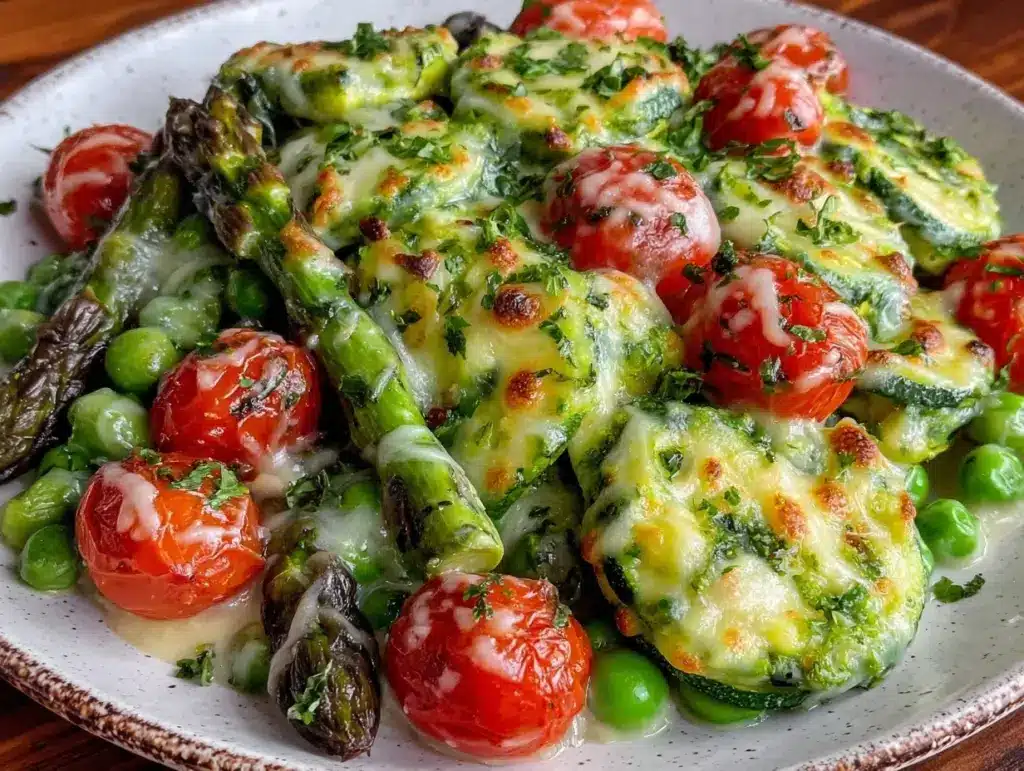
“You’ve got to try this—it’s like a garden party in your mouth,” my neighbor said, practically bouncing on her heels as she handed me a container of this bright, fragrant primavera. Honestly, I was skeptical at first. I mean, fresh spring vegetables with a garlic white wine sauce? It sounded fancy, almost too delicate for a quick weeknight dinner. But after the first bite, I was hooked—there’s something about how the tender snap of asparagus meets the silky garlic-infused sauce that just hits differently.
That evening, instead of reaching for my usual tired pasta or takeout menus, I found myself stirring together this vibrant dish again and again, tweaking it just enough to make it my own. The smell of garlic sizzling in olive oil with that splash of crisp white wine fills the kitchen in a way that’s oddly comforting yet fresh—like spring itself had been captured in a skillet. And no, it’s not complicated, even if it tastes like it belongs on some high-end menu.
What really surprised me was how versatile this recipe is. I’ve pulled this together on rushed evenings but also served it chilled for brunches, pairing it with a light salad and some crusty bread (which reminds me, it pairs wonderfully with the fluffy lemon ricotta pancakes I made last weekend). It’s one of those dishes that doesn’t just fill you up but sticks with you in a good way—clean, bright, and satisfying.
So, if you’re craving something that breaks away from the usual pasta-and-red-sauce routine but still feels cozy and approachable, this Fresh Spring Vegetable Primavera with Garlic White Wine Sauce might just become your new go-to. It’s the kind of recipe that welcomes the season in and keeps you coming back for more, no fancy techniques required.
Why You’ll Love This Recipe
This Fresh Spring Vegetable Primavera with Garlic White Wine Sauce has been through multiple rounds of kitchen testing and neighbor approvals, so I can confidently say it’s a winner. Here’s why it’s worth adding to your rotation:
- Quick & Easy: From chopping to plating in under 30 minutes—perfect for those busy weeknights or unexpected guests.
- Simple Ingredients: The recipe leans on pantry staples and fresh spring produce you can find at any local market—no need for elusive specialty items.
- Perfect for Spring & Summer: Light, fresh, and bursting with seasonal veggies, it’s just right for brunch, dinner parties, or casual lunches on sunny days.
- Crowd-Pleaser: Kids and adults alike love this dish—the garlic white wine sauce adds a subtle richness without overpowering the natural vegetable flavors.
- Unbelievably Delicious: The texture contrast between crisp-tender vegetables and the silky sauce makes every bite enjoyable and comforting.
Unlike other primavera recipes, this one uses a garlic white wine sauce that’s both surprisingly simple and packed with flavor. The secret? Low heat to gently coax out the garlic’s sweetness and a splash of dry white wine that brightens everything up without masking the fresh veggies. Plus, the light tossing method keeps veggies vibrant and slightly crunchy, not mushy.
Honestly, this isn’t just another primavera—it’s my favorite way to celebrate spring produce without fuss. It’s the kind of recipe that makes you want to slow down, savor the season, and maybe even share a plate or two with friends.
What Ingredients You Will Need
This recipe calls for fresh, wholesome ingredients that come together quickly but deliver a big punch in taste and texture. Most are pantry staples or easy-to-find produce, making it a breeze to prepare anytime spring vegetables are in season.
- Vegetables:
- 1 cup asparagus, trimmed and cut into 2-inch pieces (look for firm, bright green stalks)
- 1 cup sugar snap peas, trimmed
- 1 cup baby zucchini, sliced thin
- 1 cup cherry tomatoes, halved (adds a pop of color and sweetness)
- ½ cup sliced bell peppers (red or yellow, for sweetness and crunch)
- For the Garlic White Wine Sauce:
- 3 tablespoons extra virgin olive oil (I prefer California Olive Ranch for a clean taste)
- 4 cloves garlic, thinly sliced (key to infusing the sauce with mellow depth)
- ½ cup dry white wine (choose a wine you’d enjoy drinking, like Sauvignon Blanc)
- 1 teaspoon lemon zest (brightens the sauce beautifully)
- Salt and freshly ground black pepper, to taste
- 2 tablespoons chopped fresh basil or parsley (fresh herbs bring the whole dish together)
- Optional: ¼ cup grated Parmesan cheese (for a touch of savory richness)
- Pasta Base (optional):
- 8 ounces linguine or fettuccine (or use gluten-free pasta if you prefer)
If you want to keep it grain-free, just serve the primavera over sautéed greens or alongside crusty bread. This recipe really shines with seasonal veggies, so in early spring, swap out zucchini for tender baby carrots or fresh peas. If you can’t find dry white wine, a light vegetable broth with a splash of white wine vinegar can work in a pinch.
Equipment Needed
- Large skillet or sauté pan (a 12-inch nonstick or stainless steel skillet works best for even cooking)
- Sharp chef’s knife for chopping vegetables
- Cutting board (preferably separate ones for veggies and herbs)
- Large pot for boiling pasta (if using)
- Colander or strainer for draining pasta and vegetables
- Wooden spoon or silicone spatula for stirring
- Zester or microplane (for lemon zest)
If you’re on a budget, a good-quality nonstick skillet can be found affordably and makes cleanup easier. For those who like to keep things simple, a single large pan can handle the veggies and sauce in stages, but make sure it’s big enough so the vegetables don’t steam and turn soggy.
Preparation Method
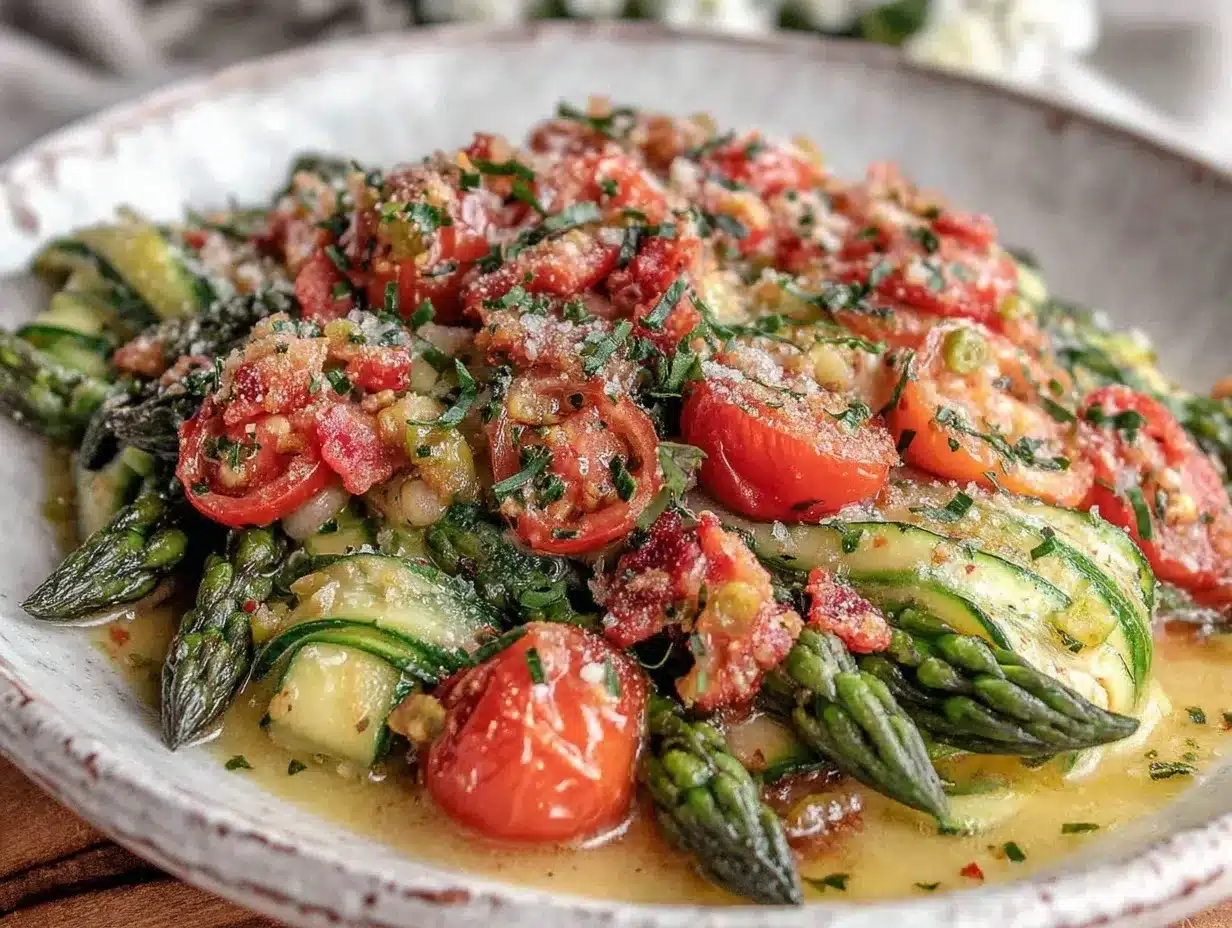
- Prep your vegetables: Rinse and trim asparagus, snap peas, and bell peppers. Slice zucchini thinly and halve cherry tomatoes. This should take about 10 minutes. Keeping the cuts uniform helps everything cook evenly.
- Cook the pasta (if using): Bring a large pot of salted water to a boil. Add 8 ounces (225 grams) of linguine or fettuccine and cook until al dente, usually around 8-10 minutes. Drain and toss with a drizzle of olive oil to prevent sticking. Set aside.
- Make the garlic white wine sauce: Heat 3 tablespoons of olive oil in a large skillet over medium-low heat. Add 4 thinly sliced garlic cloves and gently sauté for 2-3 minutes until fragrant and just beginning to turn golden—be careful not to burn the garlic, as that will turn bitter.
- Add white wine: Carefully pour in ½ cup (120 ml) of dry white wine. Increase heat to medium and let it simmer for about 4-5 minutes, stirring occasionally, until the wine reduces by about half. The sauce should smell bright with a hint of garlic warmth.
- Cook vegetables: Add asparagus, snap peas, and bell peppers to the skillet. Toss gently and cook for 3-4 minutes until they’re crisp-tender. Next, stir in zucchini and cherry tomatoes, cooking for an additional 2 minutes. The goal is to keep the vegetables vibrant and slightly crisp, not mushy.
- Season and finish: Stir in lemon zest, salt, and freshly ground black pepper to taste. Remove from heat and gently fold in chopped fresh basil or parsley. If you’re using Parmesan, sprinkle it over now and toss lightly to combine.
- Combine with pasta (optional): If you’re serving with pasta, add the drained noodles directly to the skillet and toss gently to coat with the sauce and vegetables. Warm through for 1-2 minutes before serving.
Pro tip: If at any point the sauce seems too dry, add a splash of reserved pasta water or a bit more white wine to keep it silky. Also, keep an eye on the garlic as it cooks—the moment it starts to brown is the moment to add the wine.
Cooking Tips & Techniques
Getting the perfect texture and flavor in this primavera is all about timing and gentle heat. Garlic can easily go from fragrant to bitter if the pan is too hot, so start low and slow. I learned that the hard way after a batch turned too sharp and off-putting.
When cooking vegetables, resist the urge to overcrowd the pan. If the skillet is too crowded, veggies steam rather than sauté, losing that delightful snap that makes this dish shine. A large pan helps, but if yours is small, cook the veggies in batches.
Using a dry white wine that you enjoy drinking really makes a difference. Cheap or overly sweet wines will mess with the sauce’s balance. If you’re worried about alcohol, simmering until the wine reduces by half cooks most of it off, leaving behind just the flavor.
For multitasking, start pasta first since it takes the longest. While it cooks, chop veggies and make the sauce. That way, everything comes together hot and fresh. Also, keep a little pasta water handy—it’s a classic trick to adjust sauce consistency without watering down flavors.
Variations & Adaptations
- Vegan Version: Skip the Parmesan or swap it for a plant-based alternative. Use vegetable broth instead of white wine if you prefer no alcohol.
- Protein Boost: Add grilled chicken, shrimp, or tofu to make it a heartier meal. Toss in the protein at the end to warm through without drying out.
- Seasonal Swaps: In early spring, use baby carrots and peas instead of zucchini and snap peas. In summer, fresh corn kernels and zucchini blossoms add a lovely twist.
- Low-Carb Option: Serve over spiralized zucchini or cauliflower rice instead of pasta for a lighter meal.
- Herb Variations: Fresh thyme or tarragon can replace basil or parsley for a different herbal note. I once tried tarragon and was pleasantly surprised by the subtle anise flavor it added.
Serving & Storage Suggestions
This primavera is best enjoyed fresh and warm, straight from the stove. Serve it on simple white plates to let the colors pop, paired with crusty bread or a light salad. It also pairs well with a crisp white wine like Pinot Grigio or a refreshing sparkling water with lemon.
If you have leftovers, store them in an airtight container in the refrigerator for up to 3 days. Reheat gently in a skillet with a splash of water or broth to prevent drying out. The flavors actually deepen after a day, making it a great make-ahead option for busy lunches or light dinners.
For brunch gatherings, you can serve this primavera slightly cooled or at room temperature alongside dishes like spring garden vegetable frittata or the fluffy lemon ricotta pancakes. The freshness and brightness of the primavera balance nicely with richer brunch fare.
Nutritional Information & Benefits
This dish is naturally light but packed with nutrients. A serving (about 1 ½ cups primavera with pasta) typically contains around 350-400 calories, with moderate protein and healthy fats from olive oil.
Key benefits include:
- High in fiber and antioxidants from fresh vegetables like asparagus and tomatoes
- Good source of vitamin C and vitamin K
- Healthy monounsaturated fats from olive oil supporting heart health
- Low in saturated fat and free from added sugars
For those watching gluten, substituting gluten-free pasta or serving without pasta makes it friendly for gluten-sensitive diets. The recipe is naturally low-carb if enjoyed without pasta and can be adjusted to fit vegan diets easily.
Conclusion
This Fresh Spring Vegetable Primavera with Garlic White Wine Sauce has become a staple in my kitchen—not just because it tastes amazing, but because it brings a little bit of sunshine and ease to whatever day I make it. It’s flexible, forgiving, and fresh, which makes it perfect for anyone who wants a quick yet satisfying meal without fuss.
Feel free to swap veggies, herbs, or even the pasta to make it your own. That’s the beauty of primavera—it’s a celebration of what’s fresh and available, not a strict formula. I hope this recipe finds its way to your table as it has to mine, bringing a little fresh spring delight whenever you need it.
If you try it, I’d love to hear how you made it your own or what you paired it with—sharing those little tweaks is what makes cooking fun!
Frequently Asked Questions
Can I make this primavera ahead of time?
Yes! You can prepare the vegetables and sauce a few hours ahead and gently reheat before serving. It also tastes great at room temperature.
What type of white wine works best for the sauce?
Dry white wines like Sauvignon Blanc, Pinot Grigio, or a light Chardonnay are ideal. Avoid sweet wines to keep the sauce balanced.
Can I use frozen vegetables instead of fresh?
Fresh is best for texture, but if using frozen, thaw and drain them well to avoid excess moisture, then add them at the end to heat through.
Is this recipe suitable for vegans?
Absolutely! Just omit the Parmesan or use a vegan cheese alternative, and double-check your broth or wine for vegan-friendliness.
What can I serve alongside this primavera?
It pairs beautifully with crusty bread, light salads, or protein dishes like grilled chicken or fish. For brunch, it’s lovely next to dishes like Quiche Lorraine.
Pin This Recipe!
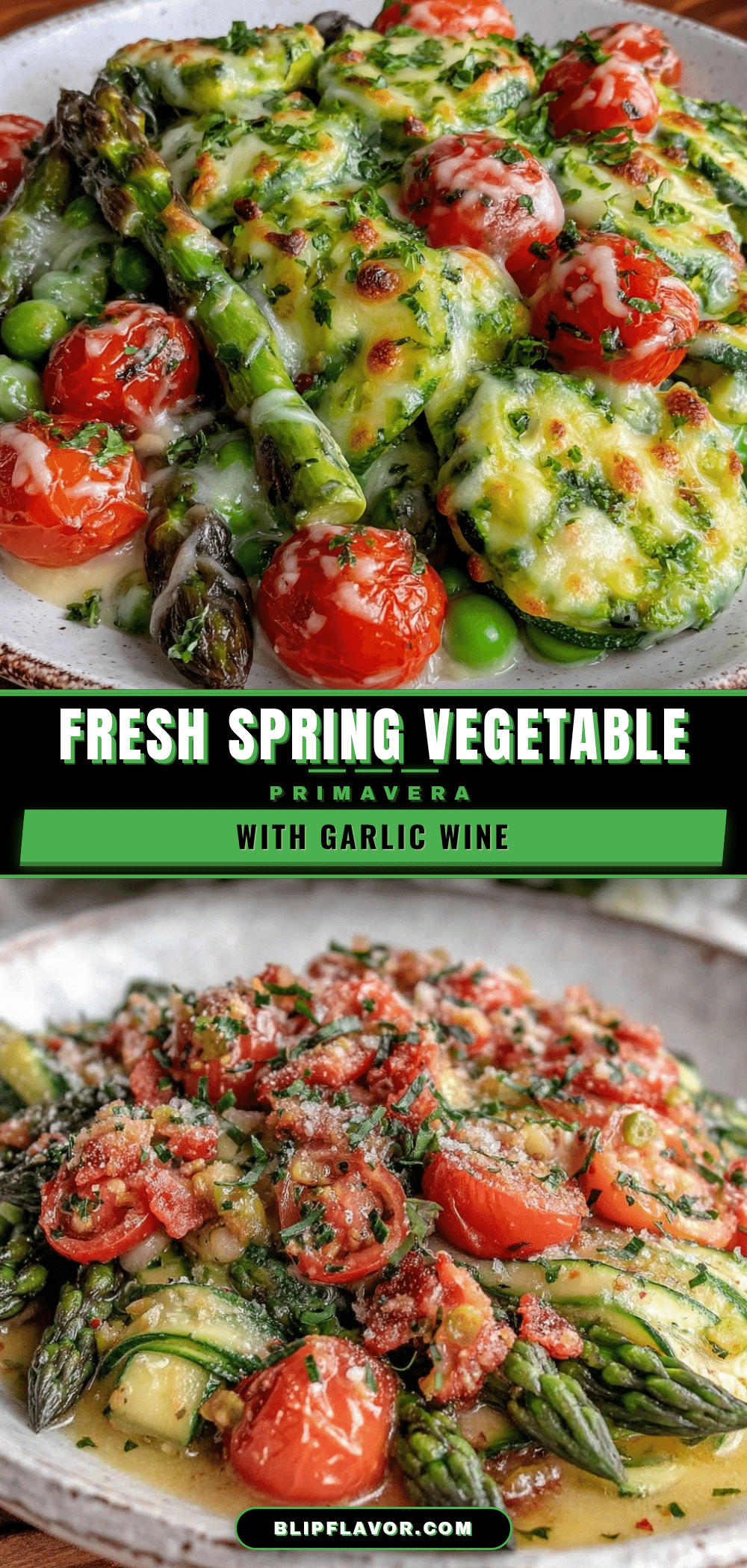
Fresh Spring Vegetable Primavera with Garlic White Wine Sauce
A vibrant and fresh primavera featuring tender spring vegetables tossed in a silky garlic white wine sauce, perfect for quick weeknight dinners or light brunches.
- Prep Time: 10 minutes
- Cook Time: 15 minutes
- Total Time: 25 minutes
- Yield: 4 servings 1x
- Category: Main Course
- Cuisine: Italian
Ingredients
- 1 cup asparagus, trimmed and cut into 2-inch pieces
- 1 cup sugar snap peas, trimmed
- 1 cup baby zucchini, sliced thin
- 1 cup cherry tomatoes, halved
- ½ cup sliced bell peppers (red or yellow)
- 3 tablespoons extra virgin olive oil
- 4 cloves garlic, thinly sliced
- ½ cup dry white wine (e.g., Sauvignon Blanc)
- 1 teaspoon lemon zest
- Salt and freshly ground black pepper, to taste
- 2 tablespoons chopped fresh basil or parsley
- Optional: ¼ cup grated Parmesan cheese
- Optional pasta base: 8 ounces linguine or fettuccine (or gluten-free pasta)
Instructions
- Rinse and trim asparagus, snap peas, and bell peppers. Slice zucchini thinly and halve cherry tomatoes. (About 10 minutes)
- If using pasta, bring a large pot of salted water to a boil. Cook 8 ounces of linguine or fettuccine until al dente (8-10 minutes). Drain and toss with a drizzle of olive oil. Set aside.
- Heat 3 tablespoons olive oil in a large skillet over medium-low heat. Add 4 thinly sliced garlic cloves and sauté gently for 2-3 minutes until fragrant and just beginning to turn golden. Avoid burning.
- Pour in ½ cup dry white wine. Increase heat to medium and simmer for 4-5 minutes, stirring occasionally, until the wine reduces by about half.
- Add asparagus, snap peas, and bell peppers to the skillet. Toss gently and cook for 3-4 minutes until crisp-tender.
- Stir in zucchini and cherry tomatoes, cooking for an additional 2 minutes to keep vegetables vibrant and slightly crisp.
- Season with lemon zest, salt, and freshly ground black pepper. Remove from heat and fold in chopped fresh basil or parsley.
- If using Parmesan cheese, sprinkle it over now and toss lightly to combine.
- If serving with pasta, add the drained noodles to the skillet and toss gently to coat with sauce and vegetables. Warm through for 1-2 minutes before serving.
Notes
Use low heat to gently cook garlic to avoid bitterness. Do not overcrowd the pan to keep vegetables crisp. If sauce is too dry, add reserved pasta water or more white wine. For vegan version, omit Parmesan and use vegetable broth instead of wine if preferred. Fresh vegetables are best but frozen can be used if thawed and drained well.
Nutrition
- Serving Size: About 1 ½ cups prima
- Calories: 375
- Sugar: 7
- Sodium: 150
- Fat: 15
- Saturated Fat: 2
- Carbohydrates: 45
- Fiber: 6
- Protein: 10
Keywords: spring vegetables, primavera, garlic white wine sauce, easy dinner, quick pasta, vegetarian, gluten-free option, healthy, fresh, seasonal