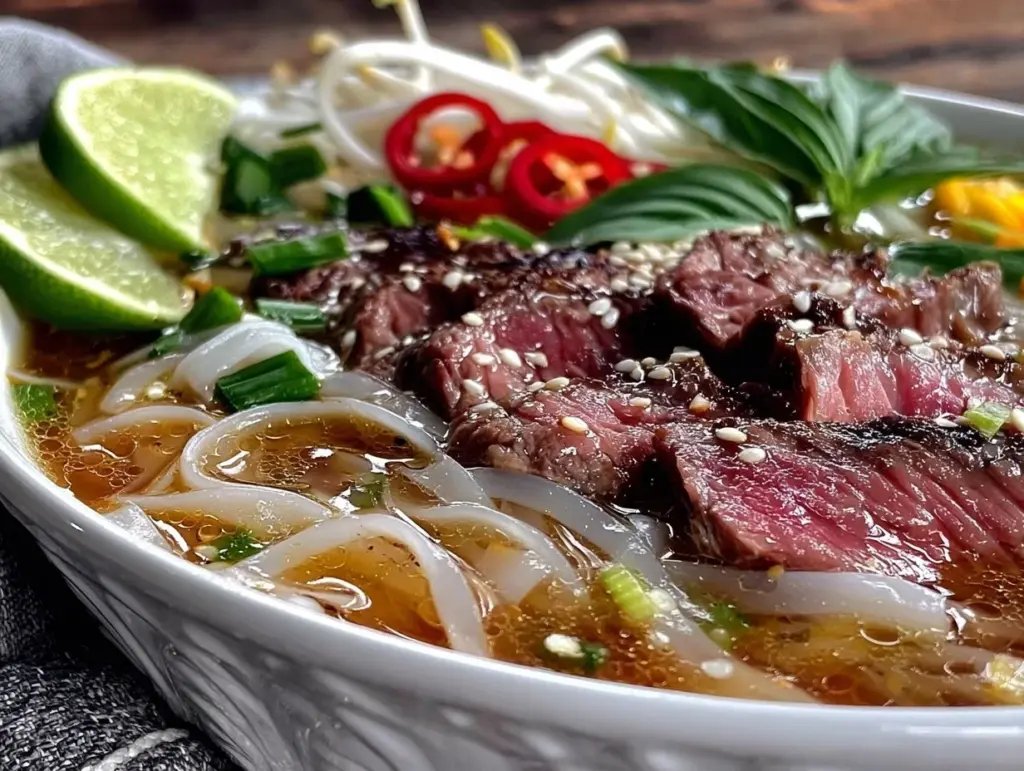
Let me tell you, the aroma of simmering spices, tender beef bones, and fresh herbs drifting through the kitchen is enough to make anyone’s mouth water. The first time I made this authentic Vietnamese beef pho recipe, I was instantly hooked—the kind of moment where you pause, take a deep breath, and just smile because you know you’re onto something truly special. It was years ago, on a chilly weekend when I was knee-high to a grasshopper, watching my grandma carefully toast cinnamon sticks and star anise for hours. That memory’s stuck with me ever since.
You know what? My family couldn’t stop sneaking bowls off the stove (and I can’t really blame them). Pho isn’t just food—it’s pure, nostalgic comfort that feels like a warm hug after a long day. Honestly, this recipe is dangerously easy, and it’s perfect for brightening up even the rainiest afternoons or impressing guests at your next dinner party. Whether you’re new to Vietnamese cooking or a pho fanatic, this flavorful authentic Vietnamese beef pho recipe is something you’re going to want to bookmark and make again and again.
I’ve tested this recipe countless times in the name of research, of course, and it’s become a staple for family gatherings, last-minute dinners, and even thoughtful gifts. Let’s face it, pho is more than just soup—it’s a bowl full of memories, warmth, and pure deliciousness.
Why You’ll Love This Recipe
Having spent years perfecting this authentic Vietnamese beef pho recipe, I can confidently say it stands out for so many reasons. It’s not just another bowl of soup—this is comfort food with soul, made from scratch with love and attention to detail.
- Quick & Easy: While traditional pho can take hours, this recipe comes together in under 3 hours, perfect for those weekends or when you want something special without all the fuss.
- Simple Ingredients: You probably have most of these in your pantry already, and the rest are easy to find at any Asian market or well-stocked grocery store.
- Perfect for Any Occasion: Whether you’re craving a cozy dinner, hosting a brunch, or need a crowd-pleaser for potlucks, pho fits the bill every time.
- Crowd-Pleaser: It’s always a hit with both kids and adults—there’s just something about that savory broth and tender beef combo that wins hearts.
- Unbelievably Delicious: The marriage of fragrant spices, rich beef broth, fresh herbs, and chewy rice noodles creates a flavor and texture combo that’s downright addictive.
What makes this pho recipe different? It’s all in the broth—slow simmered to pull every bit of flavor from the bones, then balanced with carefully toasted aromatics like cinnamon, cloves, and star anise. I even give tips on clarifying the broth for that beautiful, crystal-clear look you see in the best pho joints. Plus, I’ve swapped in some clever shortcuts that don’t sacrifice authenticity—like roasting the bones ahead for extra depth and blending spices for a perfect, balanced flavor profile. Honestly, this pho is the kind that makes you close your eyes after the first slurp and just savor the moment.
What Ingredients You Will Need
This flavorful authentic Vietnamese beef pho recipe uses simple, wholesome ingredients to deliver bold flavor and satisfying texture without the fuss. Most are pantry staples, with a few fresh items that bring it all together.
- Beef Bones (4-5 lbs / 1.8-2.3 kg): Marrow and knuckle bones with some meat attached (for rich, gelatinous broth)
- Beef Brisket (1 lb / 450 g): Adds tender, meaty chunks for the bowl
- Onions (2 medium): Charred for sweetness and depth
- Ginger (4-inch piece): Roughly sliced and charred (adds warm, spicy notes)
- Cinnamon Sticks (2): Preferably Saigon cinnamon for bold aroma
- Star Anise (4 whole): Essential for that classic pho flavor
- Cloves (5 whole): Adds subtle spice complexity
- Cardamom Pods (2, optional): For a hint of floral undertones
- Coriander Seeds (1 tablespoon): Toasted to unlock flavor
- Fish Sauce (1/4 cup / 60 ml): I prefer Red Boat brand for authenticity and umami punch
- Rock Sugar (1-2 pieces, about 1 tablespoon): Balances the savory broth
- Salt (to taste): Use kosher or sea salt
- White Pepper (1 teaspoon): Ground fresh for subtle heat
- Rice Noodles (pho bánh phở) (14 oz / 400 g): Wide flat noodles, soaked or boiled
- Raw Beef (sirloin or eye of round, thinly sliced): For topping, sliced paper-thin to cook gently in hot broth
- Fresh Herbs:
- Thai Basil
- Cilantro
- Green Onions, sliced
- Bean Sprouts
- Lime wedges
- Fresh Jalapeños or Thai chilies, sliced (optional)
For substitutions, if you want to keep it gluten-free, double-check your fish sauce brand and noodle choice. Swapping brisket with chuck roast works well too. If you can’t find rock sugar, light brown sugar is a decent backup, but trust me on the rock sugar—it adds that perfect mellow sweetness you don’t want to miss.
Equipment Needed
- Large Stockpot (8-quart / 7.5 L minimum): Big enough to hold all bones, water, and aromatics comfortably.
- Strainer or Fine Mesh Sieve: For clarifying the broth and removing solids.
- Charcoal Grill or Broiler: For charring onions and ginger (can also use open flame on stovetop).
- Large Bowls: To serve pho and soak noodles.
- Sharp Chef’s Knife: Essential for slicing beef thinly (tip: chill beef in the freezer for 15 minutes before slicing).
- Cutting Board: Separate one for meat and vegetables to avoid cross-contamination.
- Kitchen Tongs and Slotted Spoon: For handling bones and removing scum from broth.
- Optional: Noodle Strainer Basket: Makes draining noodles easier, but a colander works fine.
If you don’t have a large stockpot, a heavy-duty Dutch oven can substitute. For charring aromatics, a gas stove flame or even a cast iron skillet works if you don’t have a grill or broiler. I’ve also used a handheld kitchen torch to lightly char ginger when in a pinch—hey, whatever gets you that smoky flavor!
Preparation Method
- Prepare the Bones and Meat (15 minutes): Rinse beef bones and brisket under cold water to remove any impurities. Place them in a large stockpot and cover with cold water (about 5 quarts / 4.7 liters). Bring to a rolling boil over high heat.
- Blanch the Bones (10 minutes): Once boiling, let it cook for 10 minutes to release scum. Skim the foam and impurities off the surface with a slotted spoon. Drain bones and brisket, rinse under warm water to clean off residue (this step is key to clear broth!).
- Char Aromatics (10 minutes): While bones cool, char onions and ginger. Set under a broiler or over open flame until blackened and fragrant (about 5 minutes per side). This adds smoky depth that’s signature to pho broth.
- Toast Spices (5 minutes): In a dry skillet, toast cinnamon sticks, star anise, cloves, coriander seeds, and cardamom pods until fragrant (about 3-5 minutes). Place spices in a cheesecloth or spice bag for easy removal later.
- Simmer the Broth (3 hours): Return cleaned bones and brisket to the stockpot. Add charred onions, ginger, and spice bag. Fill with fresh cold water to cover (about 6 quarts / 5.7 liters). Bring to a gentle boil, then reduce heat to low and simmer uncovered for 3 hours. Skim any foam or fat occasionally.
- Add Seasonings (last 30 minutes): Add fish sauce, rock sugar, salt, and white pepper. Taste and adjust seasoning as you go. The broth should be balanced—not too salty, with a hint of sweetness and spice.
- Remove Brisket (after 1.5 hours): Check brisket tenderness; once soft, remove and set aside to cool. Slice thinly against the grain when cool.
- Strain the Broth: Remove bones, onions, ginger, and spice bag. Strain broth through a fine mesh sieve or cheesecloth-lined colander to achieve crystal-clear liquid. Keep hot.
- Prepare Noodles and Beef: Soak rice noodles in hot water for 20 minutes or boil according to package instructions until tender but chewy. Drain well. Arrange thinly sliced raw beef and cooked brisket on plates.
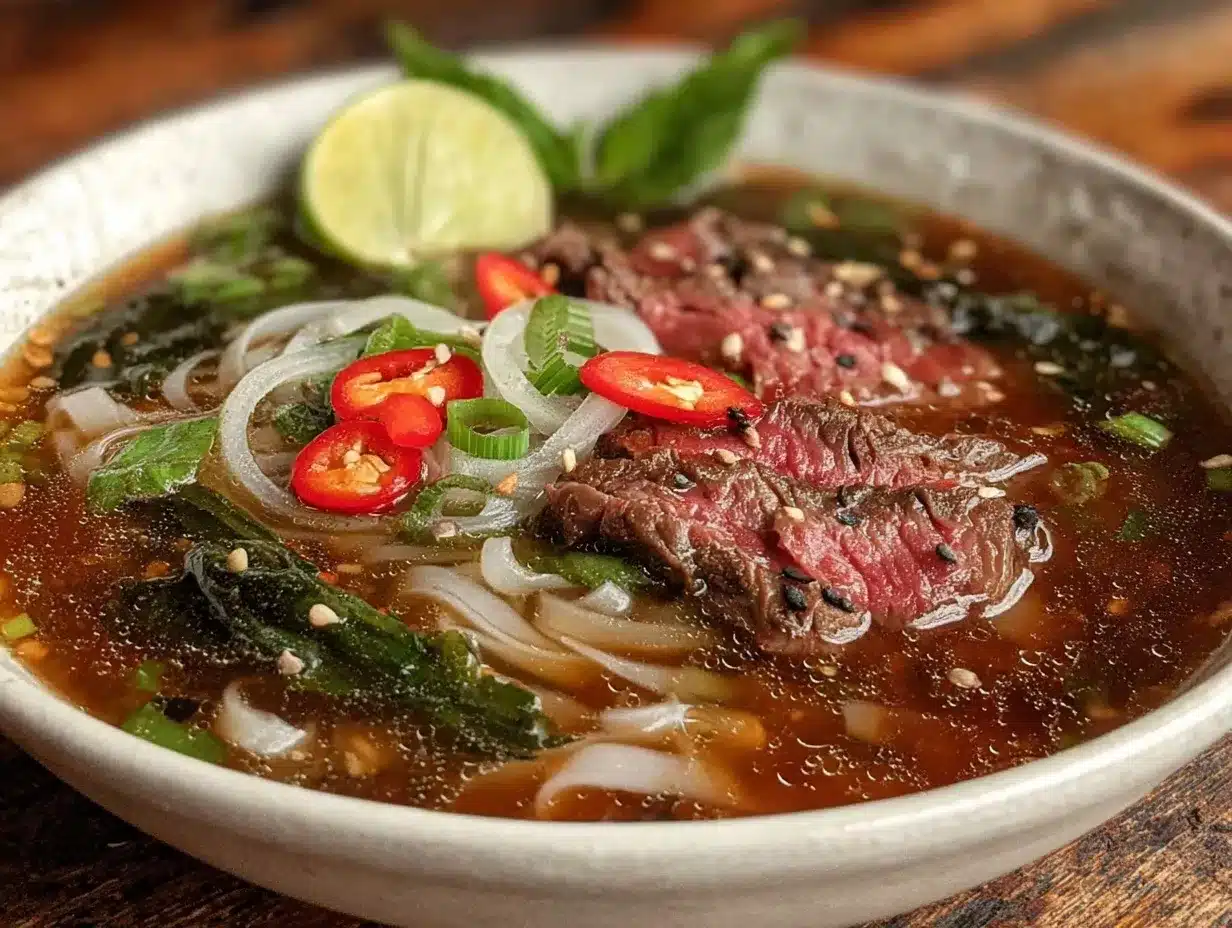
- Assemble Bowls: Divide noodles among bowls. Top with brisket and raw beef slices. Ladle boiling hot broth over the meat—this will gently cook the raw beef to tender perfection.
- Add Fresh Herbs and Garnishes: Serve with Thai basil, cilantro, bean sprouts, lime wedges, and sliced chilies on the side for everyone to customize.
Pro tip: Keep the broth at a near-boil when ladling over raw beef to cook it quickly but gently. If broth cools, reheat briefly before serving. You’ll know the broth is perfect when it’s fragrant, clear, and rich without being greasy or overly salty.
Cooking Tips & Techniques
Making pho broth is a labor of love, but there are a few tricks I’ve learned that make the process smoother and the results tastier. First off, don’t rush the blanching of bones—it’s what gives your pho that beautiful clear broth instead of cloudy soup. Skimming the scum religiously during the first hour of simmering is a game changer.
Char your aromatics well! That smoky note is signature and honestly, it makes all the difference. Use a grill or broiler if you can, but if not, a hot dry pan or even an open flame works. Just keep an eye so it doesn’t burn to ash.
Another classic mistake is overcooking the noodles. They should be tender but still have a slight chew—no one likes mushy pho noodles! I always soak the noodles ahead and then dip them in boiling water just before serving.
When slicing your raw beef for topping, freeze it for 10-15 minutes beforehand—it helps you get those impossibly thin slices that cook perfectly in hot broth. Also, don’t forget to season your broth gradually and taste as you go—you can always add more fish sauce or sugar but can’t take it out once added.
Lastly, multitasking helps a lot here. While broth simmers, prep your herbs and slice beef. It’s a long cook but mostly hands-off, so grab a good podcast or your favorite music and enjoy the process!
Variations & Adaptations
This authentic Vietnamese beef pho recipe is versatile and easy to tailor to your preferences or dietary needs. Here are some variations I’ve tried and loved:
- Vegetarian Pho: Swap beef bones for a rich mushroom and vegetable broth, using dried shiitake mushrooms, kombu seaweed, and charred onions and ginger. Replace fish sauce with soy sauce or tamari.
- Spicy Pho: Add a few dried chilies to the spice bag and serve with extra fresh chilies and Sriracha on the side for those who like a kick.
- Gluten-Free Pho: Use gluten-free tamari instead of fish sauce if sensitive, and double-check rice noodles are certified gluten-free (most are naturally). Double-check all condiments and broths.
- Slow Cooker Pho: If you prefer set-it-and-forget-it, throw bones, aromatics, and spices into a slow cooker on low for 8 hours. You’ll get a rich broth with less hands-on time.
- Seafood Pho: Replace beef with shrimp and fish balls, and use a seafood broth base instead of beef. Add fresh lime and herbs as usual.
One personal variation I love is adding a splash of coconut aminos to the broth for a slightly sweeter, deeper umami flavor. It’s subtle but worth trying if you want something a little different.
Serving & Storage Suggestions
Serve your pho piping hot in deep bowls, letting everyone build their bowl with fresh herbs, lime, bean sprouts, and chilies. Pho is best enjoyed immediately so noodles don’t get soggy. A classic pairing is iced jasmine tea or a light lager to complement the flavors.
Leftover broth keeps beautifully in the fridge for up to 4 days. Store noodles separately in an airtight container to avoid them soaking up broth and becoming mushy. Reheat broth gently on the stove until steaming but not boiling before serving. If reheating noodles, dunk quickly in boiling water to refresh their texture.
For longer storage, freeze broth in portions up to 3 months. Thaw overnight in the fridge and reheat gently. Pho broth flavors often deepen after a day or two in the fridge, so sometimes leftovers taste even better!
Nutritional Information & Benefits
This authentic Vietnamese beef pho recipe is not only comforting but also nourishing. A typical serving provides around 350-450 calories, depending on noodle portion and meat cuts. It’s a good source of protein from the beef and collagen from the simmered bones, which is great for joint and skin health.
The spices like ginger, star anise, and cinnamon have digestive benefits and add antioxidants. Fresh herbs provide vitamins and a fresh burst of flavor without added calories. Pho is naturally gluten-free when made with traditional rice noodles and can be low in fat if you skim excess fat from the broth.
If you’re watching sodium, you can reduce fish sauce slightly or use a low-sodium version. This recipe fits nicely into balanced meal plans, offering a wholesome, satisfying bowl that warms you from the inside out.
Conclusion
This flavorful authentic Vietnamese beef pho recipe is truly worth every minute of your time. It’s comforting, delicious, and has that soulful quality that makes you want to gather around the table with loved ones. Feel free to customize it—whether you want more heat, less salt, or a vegetarian spin, pho welcomes it all.
I love this recipe because it connects me to my childhood memories and family traditions while still being accessible and fun to make today. Give it a try, and I bet you’ll find yourself coming back to it again and again.
If you make this recipe, please leave a comment or share your own twists—I love hearing how you make pho your own. Happy cooking, and may your kitchen always smell like a bowl of warm, fragrant pho!
FAQs
What cut of beef is best for pho?
Thinly sliced sirloin or eye of round are great for raw beef toppings, while brisket or chuck roast works well cooked in the broth for tender meat.
How do I get a clear broth?
Blanch and rinse the bones before simmering, and skim off scum regularly during cooking to keep your broth clear and clean.
Can I make pho broth ahead of time?
Absolutely! The broth tastes even better the next day. Store in the fridge for up to 4 days or freeze for up to 3 months.
What’s the difference between pho and other noodle soups?
Pho’s unique flavor comes from its aromatic spices like star anise, cinnamon, and cloves, plus the slow-simmered beef bone broth that’s rich but delicate.
Can I use store-bought pho broth?
You can, but homemade broth offers a depth of flavor and freshness that’s hard to beat. If using store-bought, enhance it with toasted spices and fresh herbs.
Pin This Recipe!
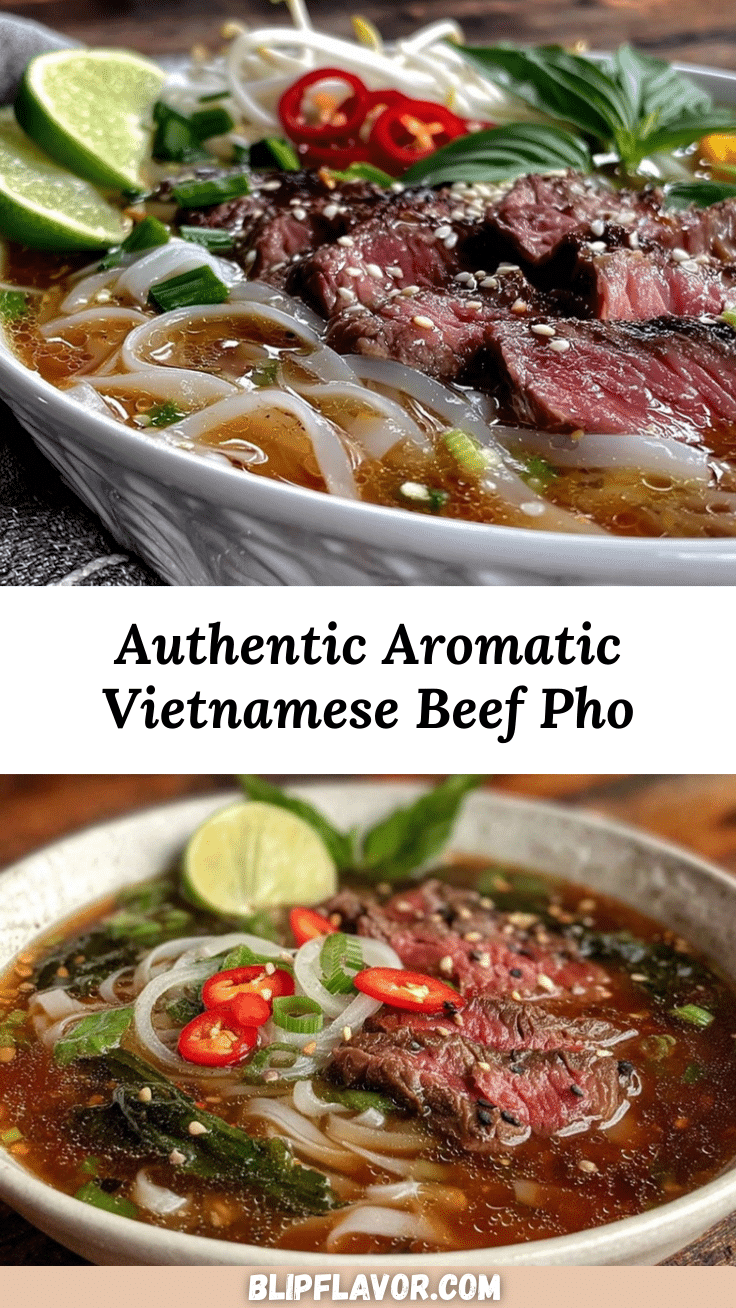
Authentic Vietnamese Beef Pho Recipe
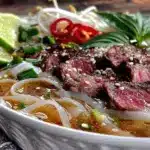
A flavorful and comforting Vietnamese beef pho recipe featuring a rich, clear broth simmered with aromatic spices and tender beef, perfect for any occasion.
- Prep Time: 25 minutes
- Cook Time: 3 hours
- Total Time: 3 hours 25 minutes
- Yield: 6 servings 1x
- Category: Main Course
- Cuisine: Vietnamese
Ingredients
- 4–5 lbs beef bones (marrow and knuckle bones with some meat attached)
- 1 lb beef brisket
- 2 medium onions, charred
- 4-inch piece ginger, roughly sliced and charred
- 2 cinnamon sticks (preferably Saigon cinnamon)
- 4 whole star anise
- 5 whole cloves
- 2 cardamom pods (optional)
- 1 tablespoon coriander seeds, toasted
- 1/4 cup fish sauce (preferably Red Boat brand)
- 1–2 pieces rock sugar (about 1 tablespoon)
- Salt to taste (kosher or sea salt)
- 1 teaspoon white pepper, ground fresh
- 14 oz rice noodles (pho bánh phở), wide flat noodles
- Raw beef (sirloin or eye of round), thinly sliced
- Fresh herbs: Thai basil, cilantro, green onions (sliced), bean sprouts, lime wedges
- Fresh jalapeños or Thai chilies, sliced (optional)
Instructions
- Rinse beef bones and brisket under cold water to remove impurities. Place in a large stockpot and cover with about 5 quarts (4.7 liters) cold water. Bring to a rolling boil over high heat.
- Boil for 10 minutes to release scum. Skim foam and impurities with a slotted spoon. Drain bones and brisket, rinse under warm water to clean residue.
- Char onions and ginger under a broiler or over open flame until blackened and fragrant, about 5 minutes per side.
- Toast cinnamon sticks, star anise, cloves, coriander seeds, and cardamom pods in a dry skillet until fragrant (3-5 minutes). Place spices in a cheesecloth or spice bag.
- Return cleaned bones and brisket to stockpot. Add charred onions, ginger, and spice bag. Fill with fresh cold water to cover (about 6 quarts / 5.7 liters). Bring to gentle boil, reduce heat to low, and simmer uncovered for 3 hours. Skim foam or fat occasionally.
- Add fish sauce, rock sugar, salt, and white pepper during the last 30 minutes of simmering. Taste and adjust seasoning.
- After 1.5 hours, check brisket tenderness; remove when soft and set aside to cool. Slice thinly against the grain when cool.
- Remove bones, onions, ginger, and spice bag. Strain broth through fine mesh sieve or cheesecloth-lined colander to achieve clear broth. Keep hot.
- Soak rice noodles in hot water for 20 minutes or boil according to package instructions until tender but chewy. Drain well.
- Arrange thinly sliced raw beef and cooked brisket on plates.
- Divide noodles among bowls. Top with brisket and raw beef slices. Ladle boiling hot broth over meat to gently cook raw beef.
- Serve with fresh herbs, bean sprouts, lime wedges, and sliced chilies on the side for customization.
Notes
Keep broth at near-boil when ladling over raw beef to cook it gently. Skim scum regularly for clear broth. Freeze beef for 10-15 minutes before slicing thinly. Soak noodles ahead and avoid overcooking to maintain chewiness. Adjust seasoning gradually and taste frequently.
Nutrition
- Serving Size: 1 bowl (approximatel
- Calories: 400
- Sugar: 3
- Sodium: 900
- Fat: 12
- Saturated Fat: 4
- Carbohydrates: 45
- Fiber: 2
- Protein: 30
Keywords: Vietnamese beef pho, pho recipe, beef noodle soup, authentic pho, Vietnamese soup, pho broth, easy pho recipe